Can Shy or Anxious Dogs Attend Daycare?
Consider daycare for a shy dog by checking individual suitability, introductions, rest options and professional support without assuming daycare treats anxiety.
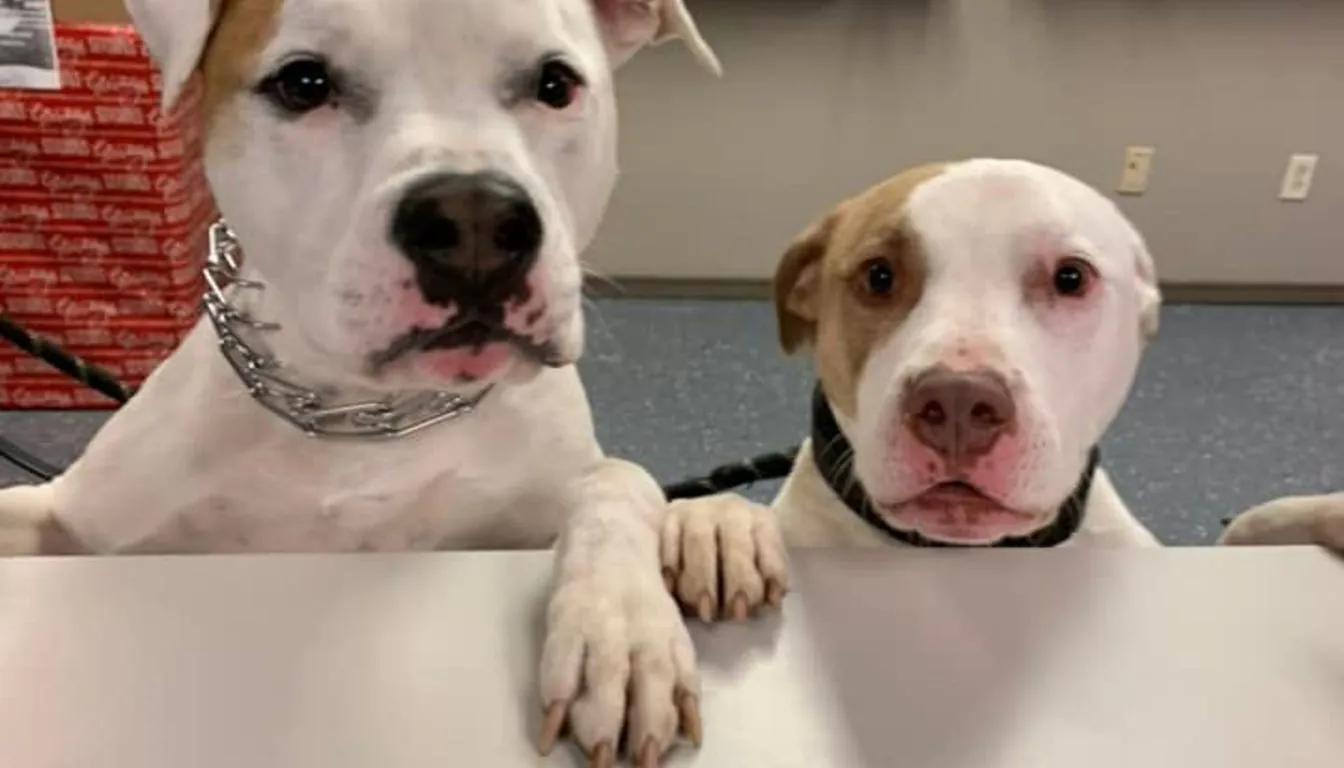
A shy dog may be comfortable with some daytime-care arrangements and uncomfortable with others. Anxiety is not a reason to assume group daycare will help, and a quiet personality is not a problem that needs to be changed.
Before booking, describe your dog’s experiences and compare their needs with the care actually available. It is reasonable to choose another arrangement if group daycare does not suit them.
Describe the Concern Clearly
The RSPCA’s body-language guide describes lowered posture, avoidance and other signals that can indicate discomfort. It recommends speaking to a veterinarian about behavior concerns.
Tell the provider what happens, when it happens and what you already know helps. “Shy with strangers” is less informative than a description of the situations your dog finds difficult. Avoid diagnosing the cause from a label alone.
Decide Whether This Setting Is Suitable
Discuss noise, other dogs, handling and separation from you. A resort’s friendly atmosphere does not establish that it can accommodate every anxiety-related need.
For significant fear or established clinical concerns, involve your veterinarian before using daycare as an experiment. Daycare is a care service, not a promised treatment for anxiety.
Ask About Introductions
Howliday’s published daycare information describes supervised playgroups matched by size and personality. Ask how your dog would be introduced, how participation is reviewed and what happens if the group arrangement is unsuitable. Do not assume a particular group size, individual-care option or formal temperament test is included.
Ask whether a short introduction is appropriate and available, what it involves and how the outcome will be discussed. A short visit should provide information, not create an obligation to continue.
Confirm Space, Rest and Staffing
Ask where dogs can rest, whether a quieter arrangement is available and how it is supervised. Establish the limits of any one-on-one attention before booking.
If your dog needs continuous individual support, say so explicitly. Do not assume that a group daycare booking includes a dedicated caregiver or a separate quiet room.
Keep Training Separate
AVSAB recommends reward-based methods for training and behavior modification. Avoid forcing a fearful dog into interactions as a way to make them get used to it.
For an appropriate learning goal, ask Standing Obeytion Dog Training about private lessons. Confirm suitability directly; a class or lesson is not a substitute for veterinary assessment of a clinical concern.
Prepare Practical Information
Review vaccination requirements in the resort FAQs and confirm the records needed before arrival. Discuss health restrictions with your veterinarian and tell the resort about recent changes, medication and handling needs. Admission requirements and individual veterinary advice are separate checks.
Share feeding, rest and handling preferences and ask whether familiar belongings are permitted. Agree on a reachable contact and a pickup plan if the visit needs to end early.
Review the Experience
Ask for observations about interactions, activity and rest. Compare those details with your dog’s behavior afterward rather than using tiredness or silence as proof of success.
Discuss concerns before booking another day. More frequent attendance is not automatically the answer, and a dog need not learn to enjoy group care for an arrangement to be judged honestly.
Talk Through the Options
Explore doggie daycare, review the current resort FAQs, and call (417) 771-5221 to discuss your dog before the first visit. Confirm admission, scheduling, the available care arrangements and any additional charges.