CGC Training at Home: A Step-by-Step Plan for Dog Owners
Practice CGC skills at home with gradual exercises for greetings, leash walking, handling and separation, plus guidance on classes and official testing.
Every dog owner dreams of having a calm, well-mannered companion who listens, greets politely, and behaves beautifully in public. That’s exactly what the Canine Good Citizen (CGC) program from the American Kennel Club (AKC) is all about. The CGC isn’t just a certification—it’s a gold standard of good behavior and mutual trust between you and your furry friend.
While CGC preparation classes provide invaluable structure, many owners wonder: Can I prepare my dog for the CGC at home?
The answer is a resounding yes—with the right approach, patience, and consistency. In this step-by-step guide, we’ll walk you through how to train your dog at home for the CGC test, build strong communication, and make the process fun for both of you.
Understanding the CGC: What It’s All About
Before you start training, it helps to understand what the Canine Good Citizen test measures. The CGC evaluates a dog’s ability to demonstrate good manners and obedience in everyday settings.
There are 10 test items, each focusing on essential life skills:
- Accepting a friendly stranger
- Sitting politely for petting
- Appearance and grooming
- Walking on a loose leash
- Walking through a crowd
- Sit, down, and stay on command
- Coming when called
- Reaction to another dog
- Reaction to distractions
- Supervised separation
These skills give you concrete goals to practice; passing a test does not guarantee behavior in every situation. Now, let’s break down how to train each step at home effectively.
Step 1: Build Trust and Focus
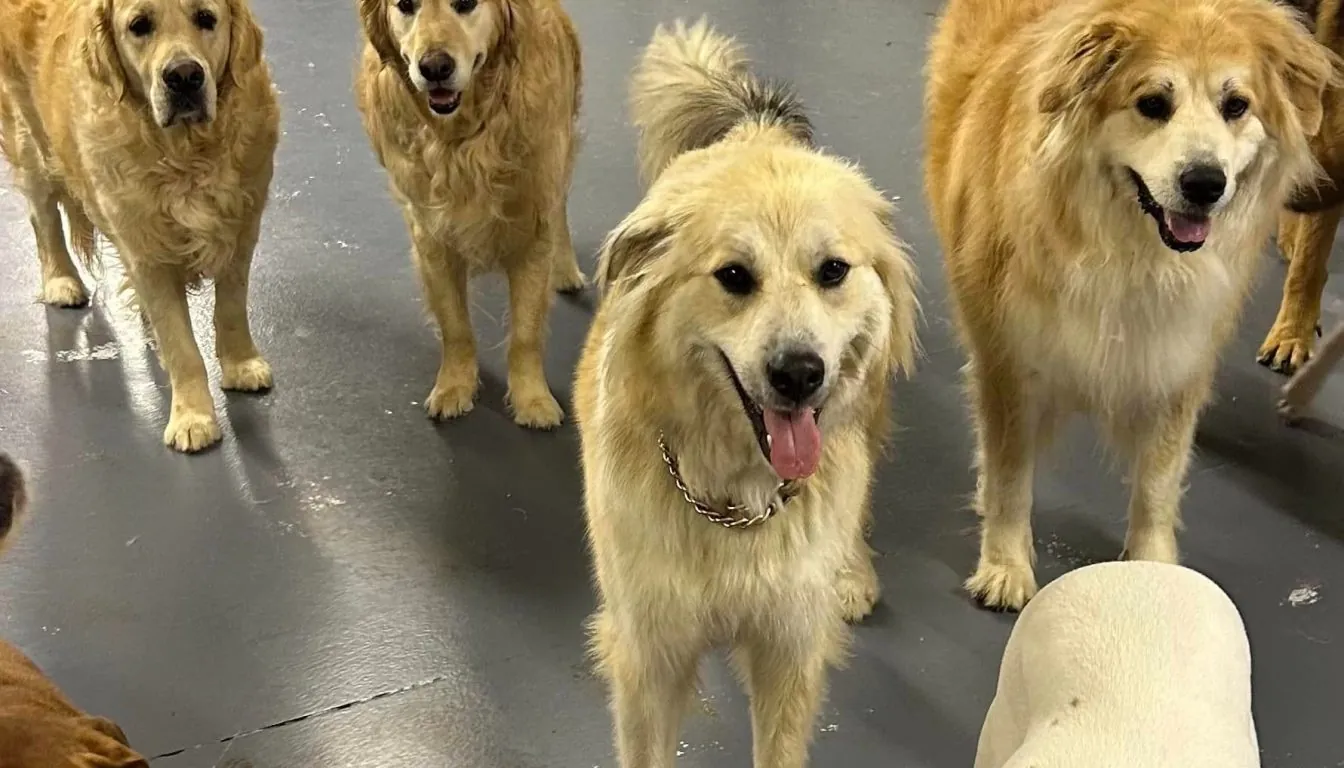
Begin in a comfortable setting where you and your dog can concentrate. Build a predictable practice routine and reward the responses you want to develop.
How to Start
- Spend time bonding—daily walks, play, and calm affection build trust.
- Teach your dog to focus on you using their name followed by a treat or praise. When they make eye contact, reward immediately.
- Keep training sessions short (5–10 minutes) and upbeat.
Pro Tip: Focus is the foundation of all CGC skills. If your dog doesn’t pay attention in quiet settings, make the exercise easier before moving to a busier environment.
Step 2: Practice Polite Greetings
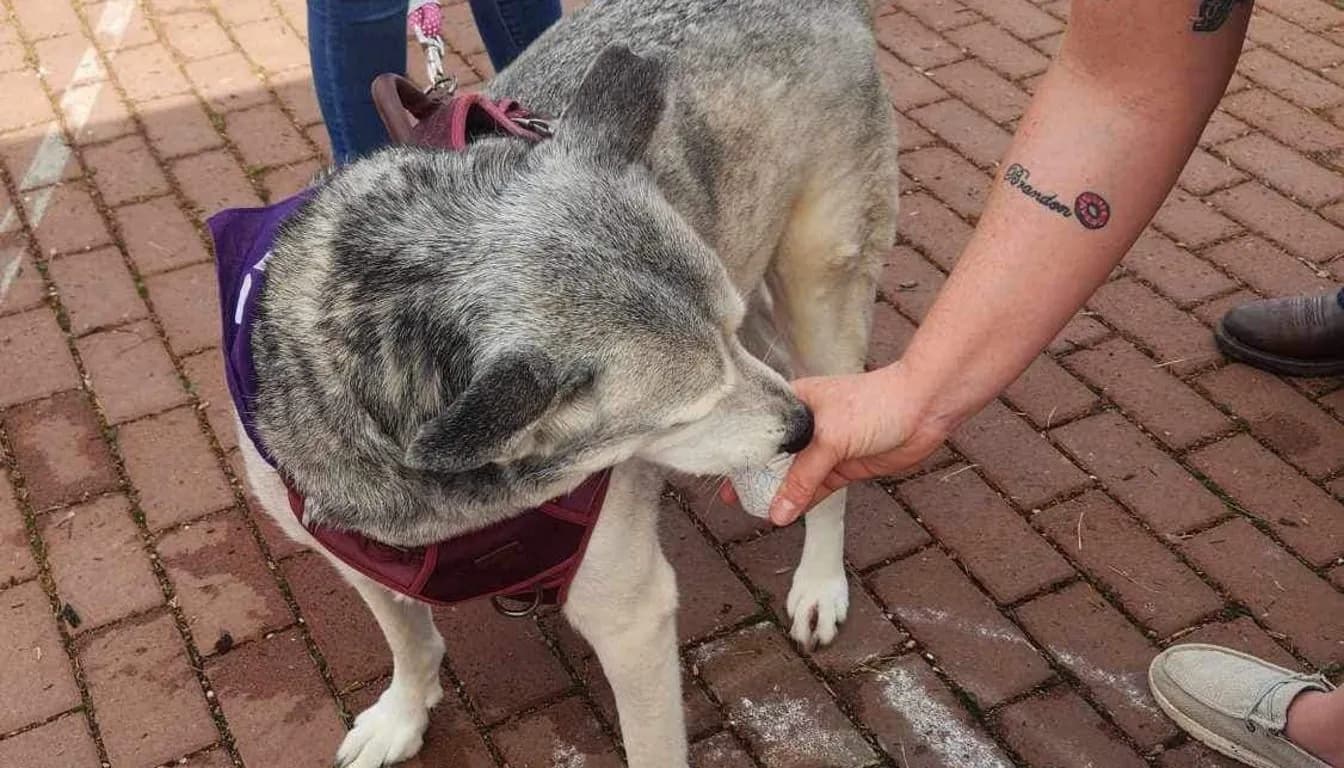
This step covers “Accepting a friendly stranger” and “Sitting politely for petting.” The goal is for your dog to stay calm when someone approaches.
How to Train at Home
- Ask a family member or friend to approach you slowly while your dog sits beside you.
- If your dog stays calm, let the person greet them and offer praise.
- If your dog jumps or gets excited, calmly step back and reset.
- Repeat until your pup understands that sitting still equals attention and praise.
Pro Tip: Reward calm behavior, not excitement. You’re teaching self-control, not social energy.
Step 3: Grooming and Handling Practice
This prepares your dog for the “Appearance and grooming” part of the test. Your dog should tolerate being brushed, having paws touched, and being checked by a “stranger” comfortably; do not force an inspection when your dog is struggling.
How to Train at Home
- Introduce brief, gentle contact with the ears and front paws, rewarding relaxed participation. Stop if your dog appears uncomfortable.
- Use grooming tools (brushes, combs, even a towel) for short sessions.
- Ask a friend or family member to mimic a groomer’s gentle inspection.
Pro Tip: Keep it positive. Many dogs dislike nail trims or brushes due to past discomfort—use treats and soothing tones to reframe it as a pleasant experience.
Step 4: Master the Loose-Leash Walk
One of the most common challenges for CGC candidates is walking calmly without pulling. The test requires dogs to walk on a loose leash, even around distractions.
How to Train at Home
- Start indoors or in your backyard. Hold the leash loosely and begin walking.
- If your dog pulls, stop immediately. Wait until the leash relaxes, then move forward.
- Reward a loose leash and attention to your movements. CGC does not require a formal heel position.
- Gradually introduce mild distractions—like toys or noises—before practicing outdoors.
Pro Tip: Consistency is key. Never allow pulling to “work.” If your dog learns pulling gets them where they want, it becomes a habit.
Step 5: Sit, Down, and Stay
These three commands appear directly in the test and are core obedience skills.
How to Train at Home
- Sit: Hold a treat above your dog’s nose and move it backward over their head. As they lower into a sit, say “Sit,” then reward.
- Down: From a sit, move a treat from their nose toward the floor between their paws. Once they lie down, praise and reward.
- Stay: Ask your dog to sit, then hold your palm out like a stop sign. Take one step back. If your dog stays, return and reward. Gradually increase distance and time.
Pro Tip: Train “stay” separately before testing it in distractions. Success is built on small victories.
Step 6: Reliable Recall – “Come When Called”
Practice a prompt response to your recall cue in a safe, controlled setting. Keep your dog on a suitable line outdoors; the CGC recall is performed on a long line.
How to Train at Home
- Start in a quiet, secure space.
- Call your dog’s name followed by “Come!” in a happy tone.
- When they reach you, offer high-value treats and lots of praise.
- Gradually practice with increasing distance and distractions.
Pro Tip: Never punish your dog for coming late. You want them to always associate “Come!” with good things.
Step 7: Reaction to Other Dogs
Your dog doesn’t need to be best friends with every pup they meet—but they must remain calm and polite.
How to Train at Home
- Arrange controlled meetings with another calm, well-trained dog.
- Practice walking past each other without letting the dogs interact.
- Reward focus and calmness toward you—not the other dog.
Pro Tip: Avoid high-energy dog parks for this exercise. A controlled setting lets you choose a manageable distance.
Step 8: Reaction to Distractions
Dogs encounter many unexpected things—shopping carts, loud noises, joggers. Practice begins with distractions your dog can comfortably handle.
How to Train at Home
- Start with a mild distraction, such as a helper walking at a distance. Avoid deliberately startling your dog.
- When your dog looks to you calmly instead of reacting, reward immediately.
- Gradually increase the level of distraction over time.
Pro Tip: Never rush this stage. Some dogs are naturally sensitive to noise—reward curiosity and calm observation instead of fear.
Step 9: Supervised Separation
This test simulates leaving your dog with a stranger for a few minutes. It measures your dog’s comfort and trust when you’re not around.
How to Train at Home
- Begin with a very brief step away while a familiar helper holds the leash, returning before your dog becomes distressed.
- Gradually extend the time and distance.
- Practice having a friend hold your dog’s leash while you step away briefly.
Pro Tip: Keep departures and returns low-key. If separation causes distress, stop the exercise and seek individual guidance rather than increasing the time.
Step 10: Putting It All Together
Once your dog can perform each skill individually, it’s time to combine them into a realistic test scenario.
Practice Routine
- Greet a friend calmly, then practice a brief petting interaction if your dog is comfortable.
- Walk on a loose leash through a mildly busy area.
- Stop for a “sit-stay” while a second dog passes by.
- React calmly to small distractions.
- Include gentle grooming handling, sit/down/stay and a recall on a line.
- End with a brief supervised-separation exercise that your dog can manage.
Pro Tip: Treat this like a “dress rehearsal.” The goal isn’t perfection—it’s calm confidence.
Bonus: When to Seek Professional Help
Training at home builds an incredible bond—but some dogs benefit from expert guidance. If your dog struggles with anxiety, reactivity, or distraction control, professional trainers can help bridge the gap.
At Howliday, private lessons may be a useful starting point when an exercise needs individual coaching. Explain any fear, reactivity or separation difficulty before joining a group.
The Howliday Pet Resort Approach
Explore our Canine Good Citizen class or private lessons. Training is led by our partners at Standing Obeytion Dog Training. Call (417) 771-5221 to discuss readiness, class dates, methods, fees and evaluation arrangements.
Final Thoughts
Use this plan as a practice framework, adjusting the difficulty to your dog. Compare your work with the AKC test descriptions so important details are not missed. An AKC-approved evaluator administers the official test; home practice alone does not award a CGC certificate or title.