
Do Dogs Benefit Emotionally from Daycare and Socialization While Boarding?
Explore how daycare, human interaction and rest can fit into a boarding stay, with questions about individual suitability and available care.
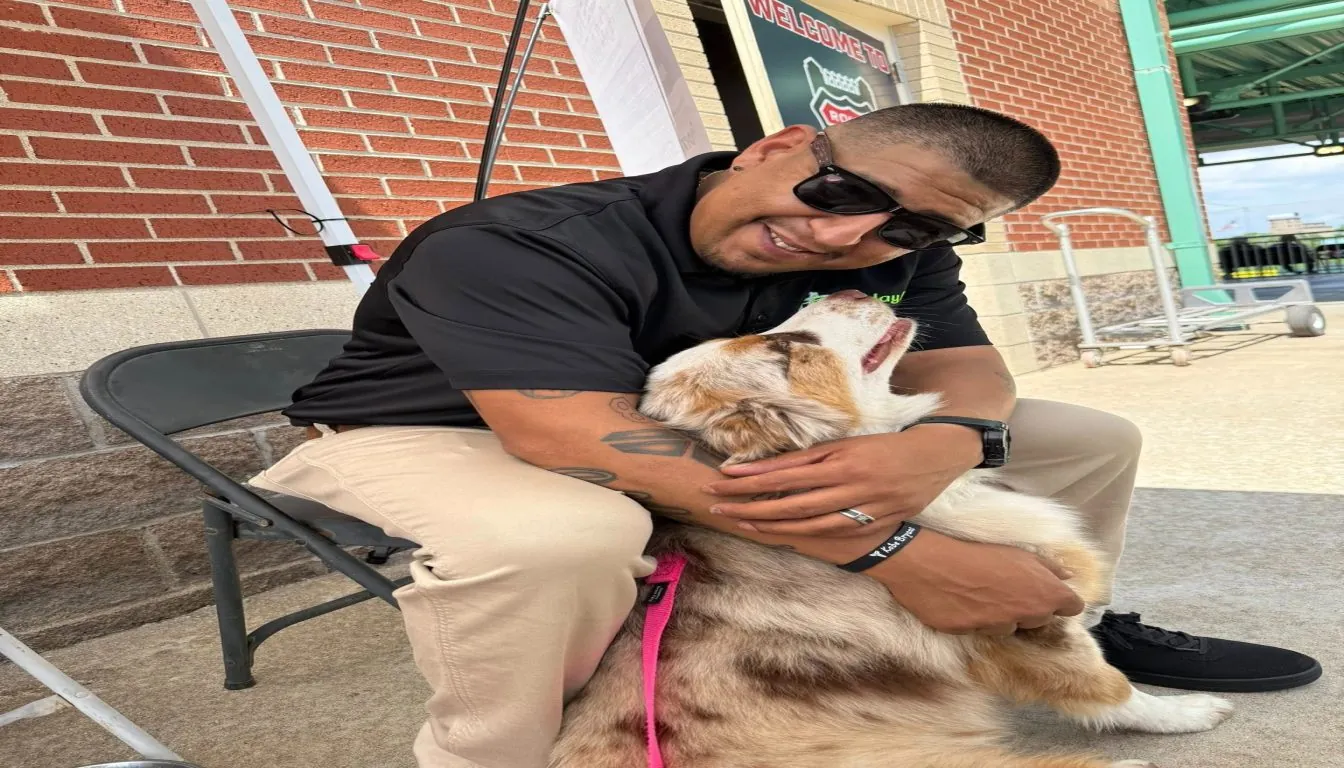
When pet owners think about dog boarding, they often focus on practical concerns. Will my dog be safe? Will they be fed properly? Will they have a comfortable place to sleep? These questions are important, but there is another aspect of boarding that deserves just as much attention: a dog’s emotional well-being.
Dogs are highly social animals. They form strong bonds with people, communicate through body language, enjoy meaningful interactions, and thrive when their emotional needs are met. While physical care is essential, emotional wellness plays a major role in how dogs experience their time away from home.
When comparing boarding options, ask what the daytime experience includes as well as where your dog will sleep. The relevant question is whether the activities and rest arrangements suit your dog.
But do dogs actually benefit emotionally from daycare and socialization while boarding?
For a dog that enjoys compatible company, daycare can offer play and interaction during a boarding stay. Other dogs need a different setting. Observe the individual response rather than assuming group activity guarantees emotional benefits.
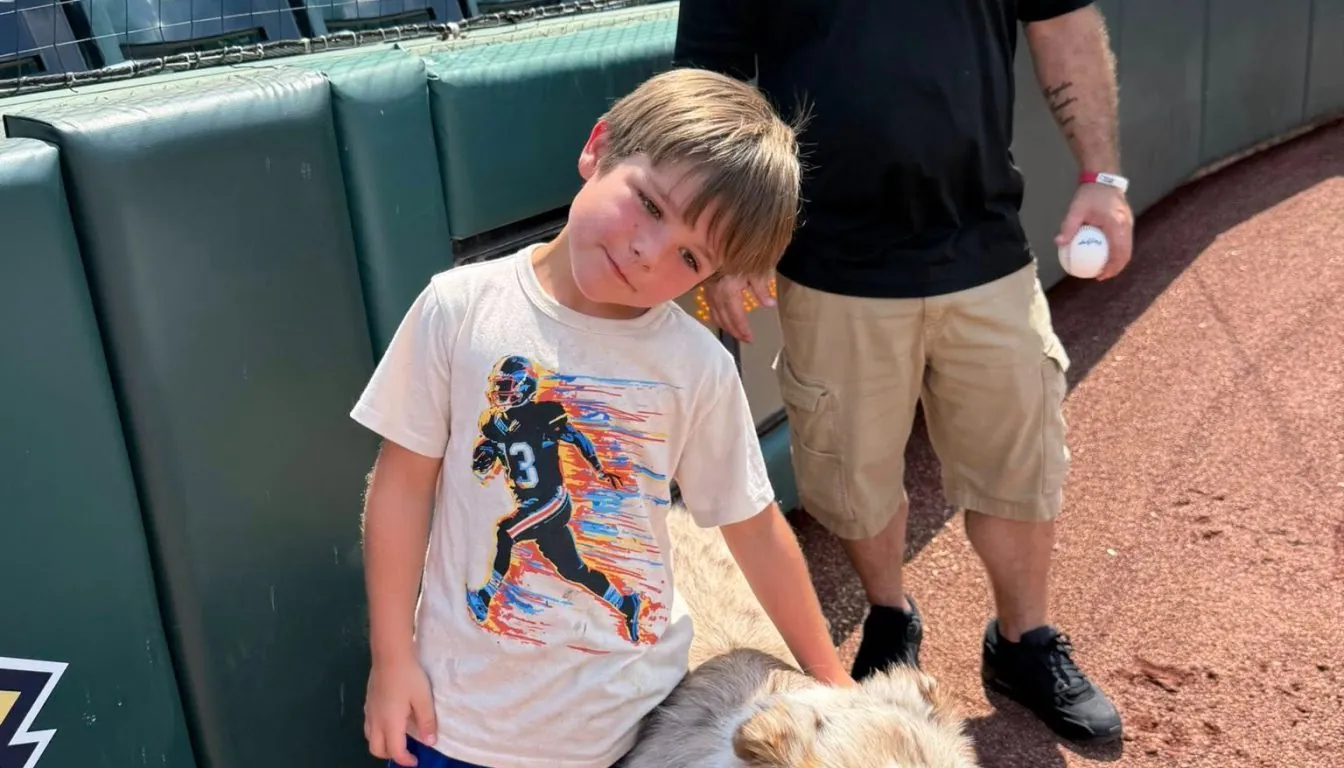
Understanding the Emotional Needs of Dogs
To understand the benefits of daycare and socialization, it is important to first recognize that dogs have emotional needs that extend beyond basic care.
Dogs are not simply concerned with food, water, and shelter. They also seek companionship, stimulation, routine, exploration, and opportunities to engage with their environment.
At home, many dogs receive emotional support through interactions with family members. They participate in daily routines, enjoy walks, engage in play, and spend time near the people they trust.
When a dog enters a boarding environment, those familiar routines change. They are suddenly surrounded by new sights, sounds, smells, and people. Even confident dogs must adjust to an unfamiliar setting.
Discuss the activities your dog normally enjoys and how those needs can be met away from home. Ask whether the facility can provide a suitable plan before reserving.
Why Social Interaction Matters
Social interaction is a natural part of canine life.
Dogs communicate constantly through posture, movement, facial expressions, vocalizations, and scent. These interactions provide mental stimulation and help dogs feel connected to the world around them.
For dogs that enjoy social experiences, daycare offers a setting to ask about compatible play companions, supervision and rest.
These interactions allow dogs to engage in natural behaviors such as play, exploration, communication, and cooperative activities.
Your dog’s behavior before, during and after visits is more useful than comparing their experience to a person’s social life.
Ask caregivers what your dog chose to do and whether they could disengage and rest.
Companionship During the Day
One concern many pet owners have during boarding is whether their dog will feel lonely.
While dogs vary in their level of independence, most enjoy some form of companionship. At home, they are accustomed to regular interaction with family members and often spend much of their day near familiar people.
During boarding, daycare activities can help replace some of that missing interaction.
Whether the social experience involves playing with other dogs, spending time with caregivers, or participating in group activities, the presence of positive companionship often helps dogs feel more connected and less isolated.
This emotional engagement can be particularly valuable during longer boarding stays.
Confirm what interaction is included and what happens during rest and overnight. Daytime daycare does not imply continuous overnight attention; Howliday uses remote overnight monitoring.
Mental Stimulation Supports Emotional Wellness
Many people think of daycare primarily as a way for dogs to burn energy. It is also worth asking about activities that involve exploration or familiar skills.
Ask what is offered, what your dog enjoys and how rest fits into the day. More activity is not automatically a better experience, and enrichment should not be presented as treatment for a behavioral disorder.
Positive Social Experiences Build Confidence
A history of comfortable visits is useful when planning future care. Ask staff for specific observations: did your dog approach willingly, choose to play and settle afterward?
For a dog that seems worried, discuss the response with the team and your veterinarian. Do not continue a difficult activity simply to build confidence.
The Importance of Properly Managed Socialization
While socialization offers many benefits, it is important to understand that quality matters.
Simply placing dogs together does not automatically create positive experiences.
When considering socialization classes, ask about the format, supervision and suitability. For daycare, ask how size, personality, play style and comfort are considered.
A well-managed boarding facility recognizes that every dog is different.
Some dogs thrive in active group settings. Others prefer smaller social circles or more individualized interactions.
The goal is not to force socialization but to create opportunities that feel enjoyable and appropriate for each dog.
Confirm the available alternatives if group activity does not suit your dog.
Human Interaction Is Also a Form of Socialization
When people hear the word socialization, they often think only about dog-to-dog interactions.
However, human relationships are equally important.
Many dogs form strong emotional bonds with people and genuinely enjoy spending time with caregivers.
During boarding, interactions with staff members can provide reassurance, comfort, and emotional support.
A gentle greeting, a play session, a training exercise, or a few minutes of affection can have a meaningful impact on a dog’s emotional state.
For some dogs, especially those who are less interested in playing with other dogs, human interaction may be their preferred form of social engagement.
Ask how human interaction is included and whether any additional individual time needs to be arranged separately.
Social Activities Create Positive Associations
Dogs learn from previous experiences. Keep a record of what went well and what was difficult during each visit, and share that history when booking again.
Comfort on a previous stay is helpful information, but it does not guarantee the same response on a future visit. Update the team about changes in health, routine or behavior.
Not Every Dog Needs the Same Social Experience
An important point that many pet owners overlook is that emotional benefits do not look the same for every dog.
Some dogs thrive in energetic daycare groups. Others prefer quieter interactions and one-on-one attention.
A shy dog may benefit emotionally from spending time with a trusted caregiver rather than participating in large group play sessions.
An older dog may enjoy gentle companionship without extensive physical activity.
A highly social dog may find tremendous joy in spending time with canine friends throughout the day.
Before booking, ask which of these preferences the facility can accommodate. An individual preference does not establish that a specific service is available.
Emotional wellness is not about providing the same activities to every dog. It is about understanding what makes each individual dog feel comfortable, secure, and happy.
Reducing Stress through Engagement
Suitable activities can be part of a care plan, but a dog that is struggling may need less stimulation or a different arrangement. Avoid assuming that exercise will resolve distress.
Watch behavior in context and seek veterinary advice about recurring stress or a concerning change. VCA’s stress-sign guide explains why a single sign can be misleading.
Use Each Stay to Inform Future Care
Review the stay at pickup: meals, sleep, activities and any concerns. Compare that information with what you notice at home.
Use those observations to plan the next stay. Boarding should not come with a promise of lasting changes to confidence, anxiety or behavior at home.
Creating a More Meaningful Boarding Experience
Howliday’s general boarding includes daycare. Ask how that works for your dog, including group suitability, rest and what happens if a different arrangement is needed.
Share preferences and limitations before booking so the team can explain the available care. Agree on communication and an emergency contact for the stay.
Local Dog Boarding Support Near Springfield, Missouri
Families from Springfield, Ozark and nearby communities can discuss boarding, daycare or socialization classes with the Howliday team. Choose the service around the dog’s needs and the support actually provided.
Call (417) 771-5221 to discuss your dog’s history, suitability and current arrangements at Howliday Pet Resort in Rogersville, serving Springfield and surrounding communities.