Senior Dog Boarding in 2026: Specialized Care for Aging Pets
Plan boarding for an older dog with questions about mobility, medication, routine, veterinary needs and overnight supervision.
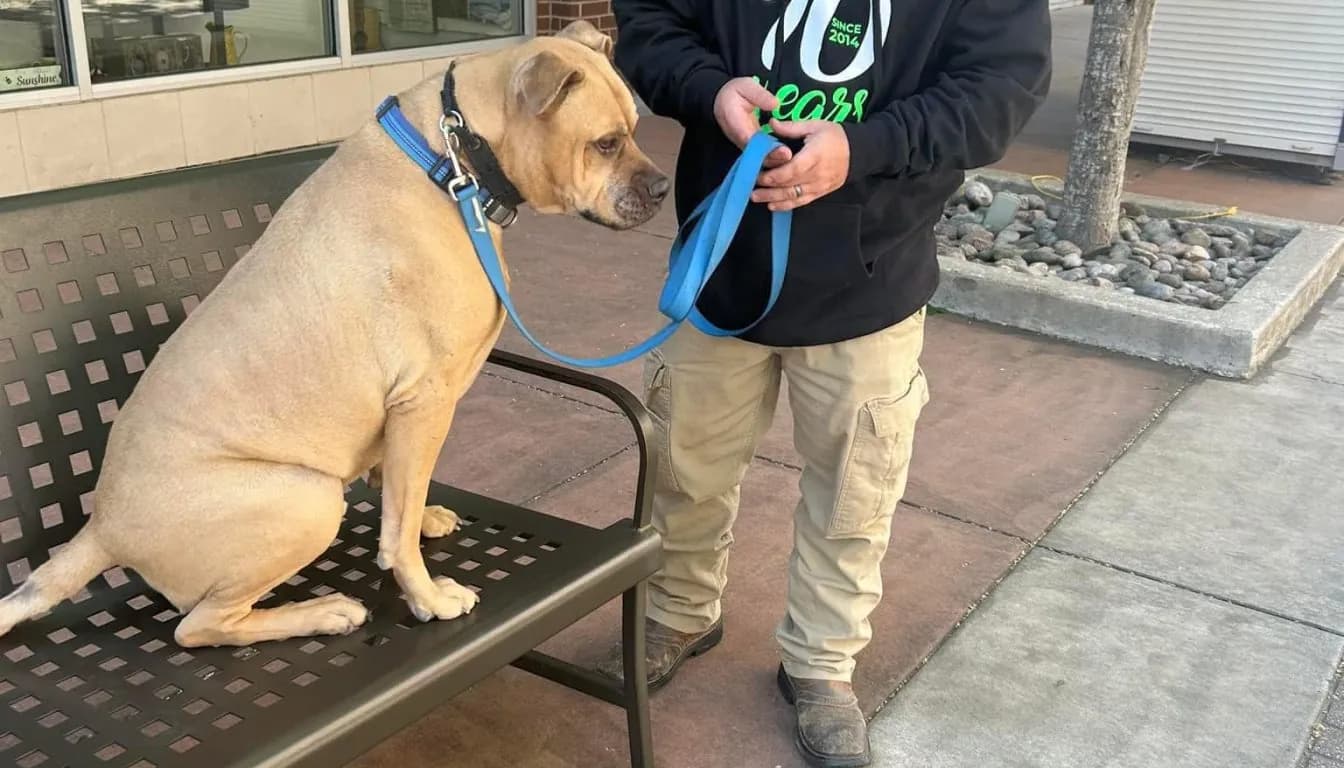
Leaving an older dog while traveling can raise practical questions about mobility, medication, rest and unfamiliar surroundings. The useful starting point is a clear account of your dog’s everyday needs and an honest discussion about which care setting can meet them.
At Howliday Inn Pet Resort, start with the boarding options and contact the team before booking. Do not assume that the phrase “senior care” includes medical supervision, lifting assistance or overnight medication.
Why Senior Dogs Need Individual Planning
The AAHA Senior Care Guidelines emphasize that aging itself is not a disease. New difficulties deserve veterinary assessment rather than being dismissed as inevitable old age.
Prepare notes about:
- Walking, getting up and using steps
- Vision or hearing changes
- Usual sleep and toilet routines
- Medication and feeding schedules
- Comfort around unfamiliar people or dogs
Use those details to compare the actual boarding arrangements with your dog’s needs.
Avoid a One-Size-Fits-All Schedule
Some older dogs still enjoy company and activity; others prefer much quieter days. Describe what your dog enjoys and what they avoid. Ask how the schedule could change if group play or a busy setting is unsuitable.
Do not book on the assumption that a senior dog must keep up with younger dogs or that a provider can automatically offer a separate care program.
What Specialized Support Would Involve
Ask for specifics about the support your dog requires:
- Where they will rest
- What assistance is available for movement
- How activity and toilet breaks are scheduled
- Who handles any agreed medication
- What happens if needs change during the stay
Confirm the agreed arrangements before travel. If your veterinarian recommends medical boarding or continuous observation, choose a provider equipped for that level of care.
Keep Routine Information Clear
Write down normal meal amounts and times, the food you will supply, usual toilet habits and bedtime preferences. Note which parts of the routine are preferences and which are veterinary instructions.
Ask which timings the facility can accommodate. A written schedule is useful only when the provider has agreed that it can be followed.
Mobility and Physical Comfort
Describe any difficulty with slippery surfaces, steps, doorways or getting up from a bed. Ask to see the spaces your dog would use and check whether permitted bedding is suitable.
If your dog needs lifting or a support harness, explain the exact assistance involved and confirm who can provide it. Discuss new pain or movement changes with your veterinarian before the stay.
Medication and Overnight Arrangements
The resort’s FAQs say medication can be given with clear instructions. Confirm each medication, dose schedule, storage requirement and any special handling before reserving; that general statement does not establish that every treatment can be supported.
Howliday uses remote monitoring overnight and does not promise staff on site around the clock. Ask how that affects your dog’s care, particularly if they need night-time medication, frequent toileting or rapid hands-on help.
Quiet Companionship and Enrichment
Bring examples of familiar activities your dog enjoys: a quiet sniffing walk, a simple game or resting near a person. Ask what is feasible during the stay and what items are permitted.
Keep expectations individual. A boarding activity should not be presented as treatment for cognitive problems or a guarantee against loneliness.
Social Contact on Your Dog’s Terms
Explain whether your dog seeks out other dogs, enjoys brief greetings or prefers space. Discuss daycare participation separately from the overnight accommodation.
Ask what alternatives are available if group activity is not suitable. Confirm availability rather than assuming private play or one-to-one care is included.
Changes in Memory, Sleep or Behavior
Disorientation, altered sleep, house-training changes or new anxiety need a veterinary conversation. AAHA’s cognitive-dysfunction guidance explains that similar signs can have other medical causes; diagnosis requires assessment.
If your dog has an established condition, share the veterinarian’s care plan and discuss what happens if symptoms worsen while you are away. Boarding staff should not be expected to diagnose a new problem.
Build Familiarity Where Appropriate
Ask whether a visit or introduction would be useful for your dog. Discuss previous stays honestly, including poor appetite, disrupted rest or distress.
Agree on an update method and a backup contact. Do not assume the same person will provide every part of care or that photos and live updates are included.
Questions to Settle Before Booking
Check the practical details together:
- Can the provider meet the agreed routine and care needs?
- What supervision is available during the day and overnight?
- How are changes documented and communicated?
- Who can authorize veterinary care and arrange transport?
- Who can collect your dog early if the stay becomes unsuitable?
Keep a copy of the agreed instructions with your travel information.
Discuss Your Senior Dog’s Stay
Review the current resort FAQs and call (417) 771-5221 to discuss your dog’s needs and available boarding accommodation. The right plan respects the dog you have today, with room to choose a different care setting if necessary.