
What If Your Dog Cries All Night at Boarding? How Professionals Calm Them Down
Help your dog feel safe and calm. Discover how expert boarding care, soothing routines, and trained staff ensure a stress-free stay.

Leaving your dog at a boarding facility can be an emotional experience—not just for you, but for your pet as well. One of the most distressing concerns pet parents have is imagining their dog crying through the night. It’s a thought that can lead to guilt, worry, and second-guessing your decision to board them at all.
At Howliday Inn Pet Resort, we understand these concerns deeply. Dogs are not just pets; they are family. And when they’re away from home, especially in a new environment, it’s natural for them to feel uncertain. However, the reassuring truth is that nighttime anxiety is common, especially for first-time boarders, and professional care can make a remarkable difference in helping dogs feel calm and secure.
If you’ve ever wondered why dogs cry at night during boarding—and more importantly, how trained professionals soothe them—this guide will walk you through everything you need to know.
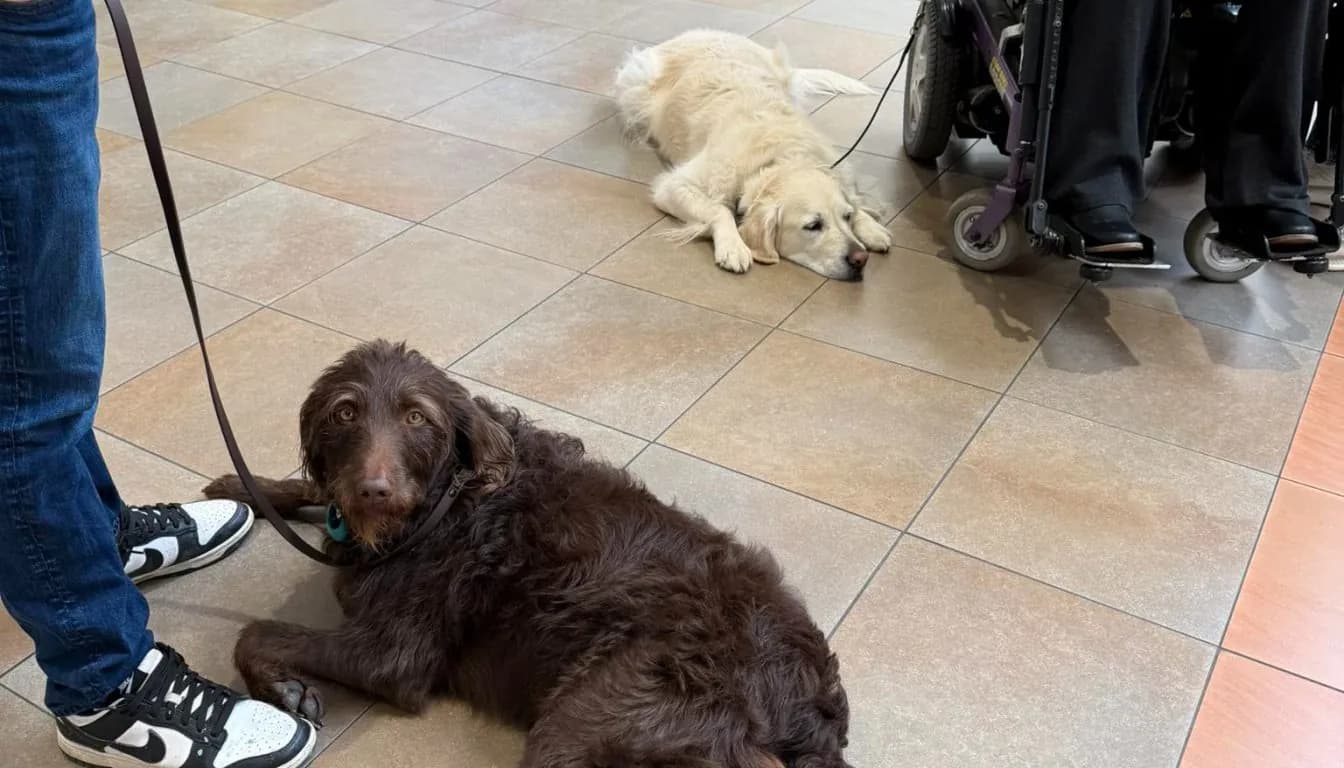
Why Dogs Cry at Night in Boarding
To understand the solution, it helps to first understand the cause. Dogs are creatures of routine and attachment. At home, they are surrounded by familiar smells, comforting spaces, and the reassuring presence of their owners. Boarding disrupts all of that at once.
Nighttime, in particular, can amplify these feelings. During the day, there are distractions—activity, playtime, human interaction. But at night, when everything quiets down, the absence of familiar comfort becomes more noticeable.
For some dogs, this leads to vocalizing—whining, barking, or crying. It’s not a sign of misbehavior; it’s a form of communication. Your dog may be expressing confusion, loneliness, or simply adjusting to a new environment.
First-time boarders are especially prone to this. Without prior experience, they don’t yet understand that boarding is temporary and that you will return. For them, it can feel like a sudden and unfamiliar separation.
The Emotional Side of Nighttime Anxiety
Dogs form strong emotional bonds with their owners. When that bond is temporarily disrupted, it can create feelings similar to separation anxiety.
At night, when visual stimulation is reduced and surroundings feel unfamiliar, dogs may seek reassurance. Crying becomes their way of asking, “Where are you?” or “Is everything okay?”
Some dogs may settle quickly, while others take more time. Personality, past experiences, and even breed traits can influence how a dog responds to boarding.
At Howliday Inn Pet Resort, we approach this not as a problem to control, but as a need to understand and comfort.
How Professional Boarding Facilities Respond
A high-quality boarding facility doesn’t ignore a crying dog—it responds with care, patience, and expertise.
The first step is observation. Our trained staffs pay close attention to each dog’s behavior, identifying whether the crying is due to anxiety, discomfort, or simply the adjustment period.
Once the cause is understood, we take a tailored approach to help the dog feel secure.
Creating a Calm and Comfortable Environment
Environment plays a powerful role in how a dog feels at night. A chaotic or overly stimulating setting can make it harder for dogs to relax.
At Howliday Inn Pet Resort, we focus on creating a peaceful nighttime atmosphere. Soft lighting, reduced noise, and comfortable bedding all contribute to a sense of safety.
Each dog is given a space that feels secure—not isolated, but not overwhelming either. This balance helps them settle more easily.
Familiar items from home, such as blankets or toys, are especially helpful. These carry your scent and provide emotional reassurance, acting as a bridge between home and boarding.
The Power of Routine
Consistency is one of the most effective ways to calm an anxious dog. When dogs know what to expect, they feel more in control.
Our team follows structured daily and nighttime routines, ensuring that feeding, playtime, and rest happen at predictable times. By the time night arrives, dogs are more relaxed and ready to settle down.
A well-balanced day also plays a role. Dogs that have had appropriate physical activity and mental stimulation during the day are more likely to rest comfortably at night.
Gentle Human Reassurance
Sometimes, what a dog needs most is simple reassurance. A calm voice, gentle presence, or brief interaction can make a significant difference.
At Howliday Inn Pet Resort, our caregivers are trained to respond thoughtfully. If a dog is distressed, we don’t ignore it—we provide comfort in a way that helps them feel safe without reinforcing dependency.
This might include sitting nearby for a few moments, offering soothing words, or simply being present until the dog begins to relax.
Gradual Adjustment and Patience
It’s important to remember that adjustment takes time. Most dogs who cry on the first night begin to settle within a day or two.
As they become familiar with their surroundings and build trust with caregivers, their confidence grows. What initially feels unfamiliar becomes routine.
At Howliday Inn Pet Resort, we never rush this process. Every dog is allowed to adjust at their own pace, with support tailored to their needs.
Special Care for First-Time Boarders
First-time boarders often need extra attention, especially at night. Everything is new—the environment, the people, the routine.
We take extra steps to ensure these dogs feel supported. This includes more frequent check-ins, gentle reassurance, and a carefully managed introduction to their surroundings.
Over time, many first-time boarders transform into confident, relaxed guests. The key is patience and positive reinforcement.
Preparing Your Dog before Boarding
While professional care plays a major role, preparation at home can also help reduce nighttime anxiety.
Introducing short separations before boarding can help your dog build independence. This teaches them that being alone for a while is safe and temporary.
Maintaining a consistent routine leading up to their stay also helps. Dogs that are used to predictable schedules adjust more easily in new environments.
If possible, a short trial stay can be incredibly beneficial. It allows your dog to experience the facility in a low-pressure setting, making overnight stays less intimidating.
Communication with Pet Parents
One of the most important aspects of professional boarding is keeping pet parents informed.
At Howliday Inn Pet Resort, we understand that hearing your dog cried at night can be concerning. That’s why we provide honest updates, along with reassurance about how your dog is adjusting.
Knowing that your dog is being cared for and supported allows you to relax, even when you’re away.
What Happens After a Few Nights?
For most dogs, nighttime crying decreases significantly after the first couple of nights. As they settle into the routine and become familiar with their environment, their anxiety fades.
Some dogs even begin to enjoy their stay, forming positive associations with the facility and caregivers.
By the time you return, you may find your dog calm, comfortable, and well-adjusted.
Turning Boarding into a Positive Experience
The goal of boarding isn’t just to manage your dog’s stay—it’s to create a positive experience.
With the right environment, attentive care, and a personalized approach, even anxious dogs can learn to feel safe and secure.
At Howliday Inn Pet Resort, we’ve seen countless dogs transition from nervous first-timers to happy, relaxed guests. The difference lies in understanding their needs and responding with care.
Final Thoughts
If your dog cries at night during boarding, it’s natural to feel concerned. But it’s important to remember that this behavior is often temporary and part of the adjustment process.
With professional support, a calming environment, and a thoughtful approach, dogs can quickly learn that they are safe—even away from home.
At Howliday Inn Pet Resort, we treat every dog with patience, compassion, and individualized care. Whether your dog arrives confident or uncertain, our goal is the same: to help them feel secure, comfortable, and at ease.
Because when a dog feels safe, even the quietest nights can become peaceful—and every stay can feel like a place they truly belong.