
Why Some Dogs Learn Commands Faster Than Others (Insights From Springfield Trainers)
Discover why some dogs master commands quickly while others struggle. Expert Springfield trainers explain what affects learning speed.
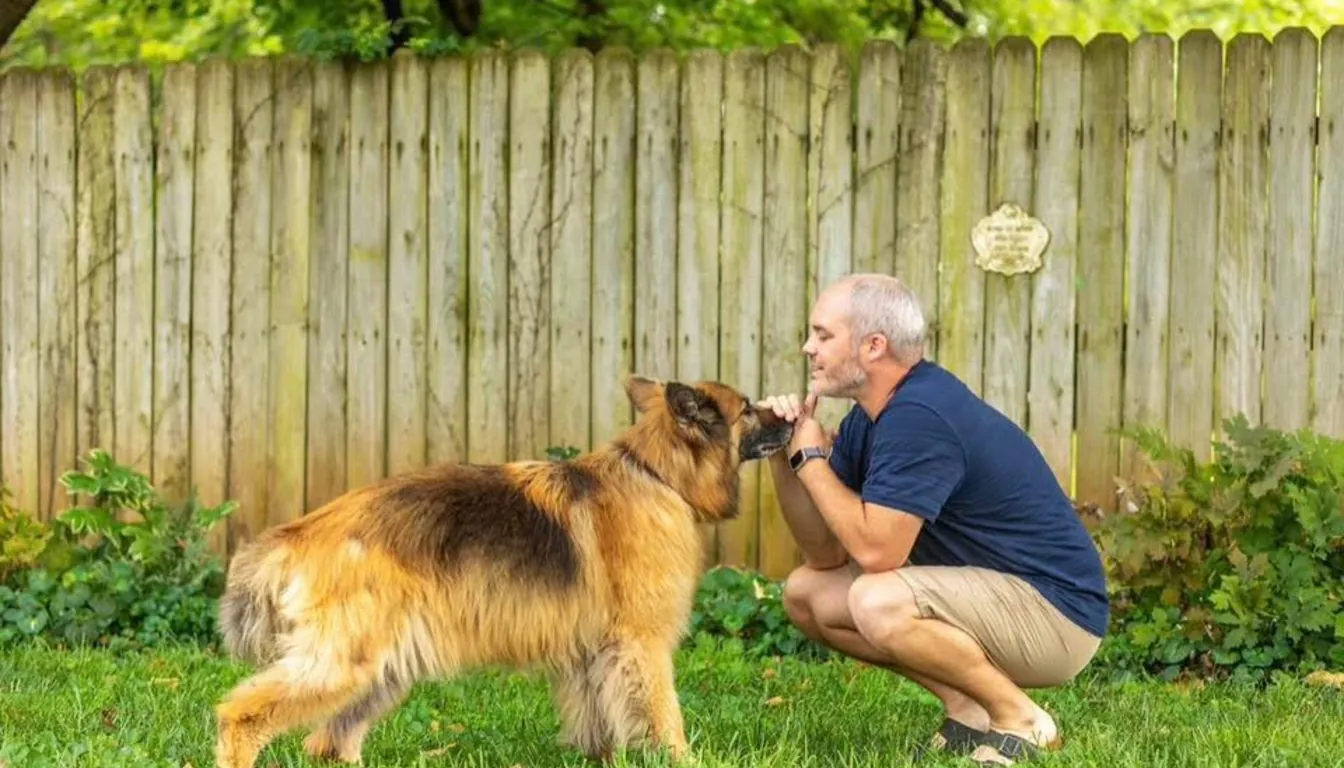
Dog owners often notice that some dogs seem to master commands almost instantly, while others take more time and repetition to learn the same skills. One dog may quickly understand commands like “sit,” “stay,” or “come,” while another might need several training sessions before responding consistently. This difference can sometimes leave owners wondering whether their dog is less intelligent or harder to train.
The truth is that every dog learns at a different pace, and several factors influence how quickly they understand and follow commands. From breed traits and age to environment and training techniques, many elements shape how a dog responds during training sessions.
At Howliday Inn Pet Resort in Springfield, professional trainers work with dogs of all breeds, ages, and personalities. Through years of hands-on experience, they have observed that faster learning isn’t just about intelligence—it’s about the right combination of factors that support a dog’s ability to focus, process information, and respond to guidance.
Understanding these factors can help dog owners approach training with more patience and confidence while creating a positive learning experience for their pets.

Every Dog Has a Unique Learning Style
Just like people, dogs have individual personalities and learning styles. Some dogs are naturally curious and eager to please, which makes them quick learners. Others may be more independent or easily distracted, requiring a different approach during training.
Certain dogs respond well to repetition, while others perform better when training sessions are varied and engaging. A dog that struggles with one training method may suddenly improve when the trainer adjusts the approach.
Springfield trainers often emphasize that successful training begins with understanding the dog’s personality. When training methods align with a dog’s temperament, learning becomes much smoother and more effective.
Dogs that appear slow to learn are not necessarily less capable. They may simply need more time, consistency, or a training style that suits their natural behavior.
Breed Traits Can Influence Learning Speed
Breed characteristics play a significant role in how quickly dogs learn commands. Over generations, different breeds were developed for specific tasks such as herding, hunting, guarding, or companionship. These roles shaped how dogs respond to instructions and work with humans.
For example, breeds that were historically trained to work closely with people often learn commands faster. Herding breeds and working dogs tend to have strong problem-solving skills and high motivation to follow directions.
On the other hand, some breeds were developed to work independently. These dogs may be intelligent but less inclined to follow commands immediately because they are used to making decisions on their own.
At Howliday Inn Pet Resort, trainers frequently remind owners that breed tendencies influence behavior but do not define a dog’s potential. With consistent training and positive reinforcement, any breed can learn essential commands and develop excellent behavior.
Age Matters in the Learning Process
A dog’s age can significantly impact how quickly it learns new commands. Puppies often learn rapidly because their brains are still developing and they are naturally curious about the world around them.
Young dogs are also more adaptable to new experiences, which makes early training highly effective. This is why many trainers recommend beginning basic obedience training during puppyhood.
However, this does not mean older dogs cannot learn new commands. Adult dogs are fully capable of training, but they may require more patience if they have already developed certain habits.
Springfield trainers often emphasize the popular phrase: “You can teach an old dog new trick.” The key difference is that older dogs may need a little more time to unlearn previous behaviors before adopting new ones.
Consistency, encouragement, and repetition help dogs of all ages succeed in training.
Motivation and Rewards Make a Difference
One of the most important factors in dog training is motivation. Dogs are far more likely to learn quickly when they feel rewarded for their efforts.
Positive reinforcement techniques—such as treats, praise, toys, or playtime—encourage dogs to repeat behaviors that earn rewards. When a dog associates a command with something enjoyable, it becomes eager to perform that action again.
Some dogs are highly food-motivated, which makes treat-based training very effective. Others respond better to verbal praise, affection, or a favorite toy.
Professional trainers at Howliday Inn Pet Resort often adjust reward systems based on each dog’s preferences. By identifying what motivates the dog the most, trainers can create a learning environment that keeps the dog focused and enthusiastic.
Motivation is one reason some dogs appear to learn commands faster—they are simply more excited about the rewards associated with training.
Environment Plays a Major Role
The training environment also affects how quickly dogs learn commands. A calm, structured setting allows dogs to focus on instructions without becoming overwhelmed by distractions.
In busy environments, dogs may struggle to pay attention because they are more interested in surrounding sights, sounds, or smells.
This is why many trainers begin teaching new commands in quiet spaces before gradually introducing distractions. Once the dog understands the command clearly, practicing in different locations helps strengthen reliability.
At professional facilities like Howliday Inn Pet Resort, controlled training environments allow dogs to learn commands step by step. Trainers can then introduce more complex situations that help dogs practice obedience in real-life settings.
A dog that appears slow to learn in a chaotic environment may actually perform much better in a calm and structured setting.
Training Consistency Is Key
Consistency is one of the most important elements of successful dog training. Dogs learn through repetition and clear communication.
If commands are practiced regularly and reinforced in the same way, dogs quickly understand what is expected of them. However, inconsistent training can confuse dogs and slow down the learning process.
For example, if one family member allows a dog to jump on guests while another discourages it, the dog may struggle to understand the correct behavior.
Springfield trainers encourage dog owners to maintain clear and consistent rules within the household. When everyone uses the same commands, tone, and expectations, dogs learn more quickly and confidently.
Consistency builds trust and helps dogs feel secure during the learning process.
Energy Levels and Exercise Influence Focus
A dog’s physical energy level can also affect how quickly it learns commands.
Dogs that have excess energy may struggle to focus during training sessions. They might become restless, distracted, or overly excited, making it difficult for them to concentrate.
Providing exercise before training can help dogs release pent-up energy and approach lessons with a calmer mindset.
At the same time, overly tired dogs may also struggle to focus. Balanced routines that include exercise, mental stimulation, and rest create the best conditions for learning.
At Howliday Inn Pet Resort, trainers often combine physical activity with structured training sessions. This approach helps dogs remain attentive while making the learning process more enjoyable.
Owner Behavior Impacts Training Success
Many dog owners don’t realize that their own behavior can influence how quickly a dog learns commands.
Dogs are highly sensitive to body language, tone of voice, and emotional energy. If an owner becomes frustrated or impatient during training, the dog may become anxious or confused.
On the other hand, calm and encouraging communication helps dogs feel confident and willing to try new behaviors.
Springfield trainers often coach dog owners to remain patient and maintain a positive attitude during training sessions. Even small improvements should be acknowledged and rewarded.
When owners stay supportive and consistent, dogs tend to learn commands more efficiently.
The Importance of Professional Guidance
While many owners successfully train their dogs at home, professional guidance can significantly accelerate the learning process.
Experienced trainers understand canine behavior and can quickly identify what motivates each dog. They also know how to adjust training techniques when a dog struggles with a specific command.
Facilities like Howliday Inn Pet Resort offer structured programs that combine obedience training, socialization, and positive reinforcement methods. These programs create a supportive learning environment that helps dogs develop confidence and strong behavioral habits.
Professional trainers also provide valuable guidance for owners, ensuring that training continues effectively at home.
Patience Is the Key to Successful Training
One of the most important lessons for dog owners is that training is a journey rather than a race. Some dogs may learn commands quickly, while others take more time to fully understand and respond consistently.
Progress should always be measured by improvement rather than speed. Even small steps forward represent meaningful progress in a dog’s development.
With patience, encouragement, and consistent practice, nearly every dog can learn essential commands and develop excellent behavior.
At Howliday Inn Pet Resort, trainers believe that every dog has the potential to succeed when given the right guidance and environment.
Final Thoughts
The reason some dogs learn commands faster than others comes down to a combination of factors, including breed traits, personality, age, environment, motivation, and training consistency. None of these elements alone determines a dog’s success—rather, they work together to shape the learning experience.
For dog owners in Springfield, understanding these factors can make training more enjoyable and less frustrating. By adapting training techniques to suit each dog’s individual needs, owners can help their pets develop confidence, discipline, and positive behavior.
With the support of experienced trainers and a commitment to patience and consistency, every dog can become a well-trained and happy companion.
At Howliday Inn Pet Resort, the goal is not just to teach commands but to create lasting bonds between dogs and their owners—because successful training is built on trust, understanding, and positive experiences.