House Training Regression: Why Your Dog Is Having Accidents Again in Springfield Homes
House training regression can happen to any dog. Learn the causes and how dog owners can correct accidents and rebuild good habits.
Few things are more frustrating for dog owners than discovering that a house-trained dog has suddenly started having accidents indoors again. After weeks or months of successful training, it can feel confusing and discouraging when a dog that once knew the routine begins urinating or defecating inside the home.
For many pet owners in Springfield, MO, this situation raises several questions. Has the dog forgotten its training? Is the dog being stubborn? Is there something wrong with their health or behavior?
The truth is that house training regression is more common than many people realize. Dogs do not suddenly “forget” their training without a reason. When accidents begin happening again, there is usually an underlying cause that needs attention.
Professional trainers and pet care specialists often see this issue in both puppies and adult dogs. Facilities such as Howliday Inn Pet Resort in Springfield regularly help dog owners identify the root cause of house training regression and guide dogs back toward consistent habits.
Understanding why this happens—and how to address it—can help restore a dog’s house manners and prevent future accidents.
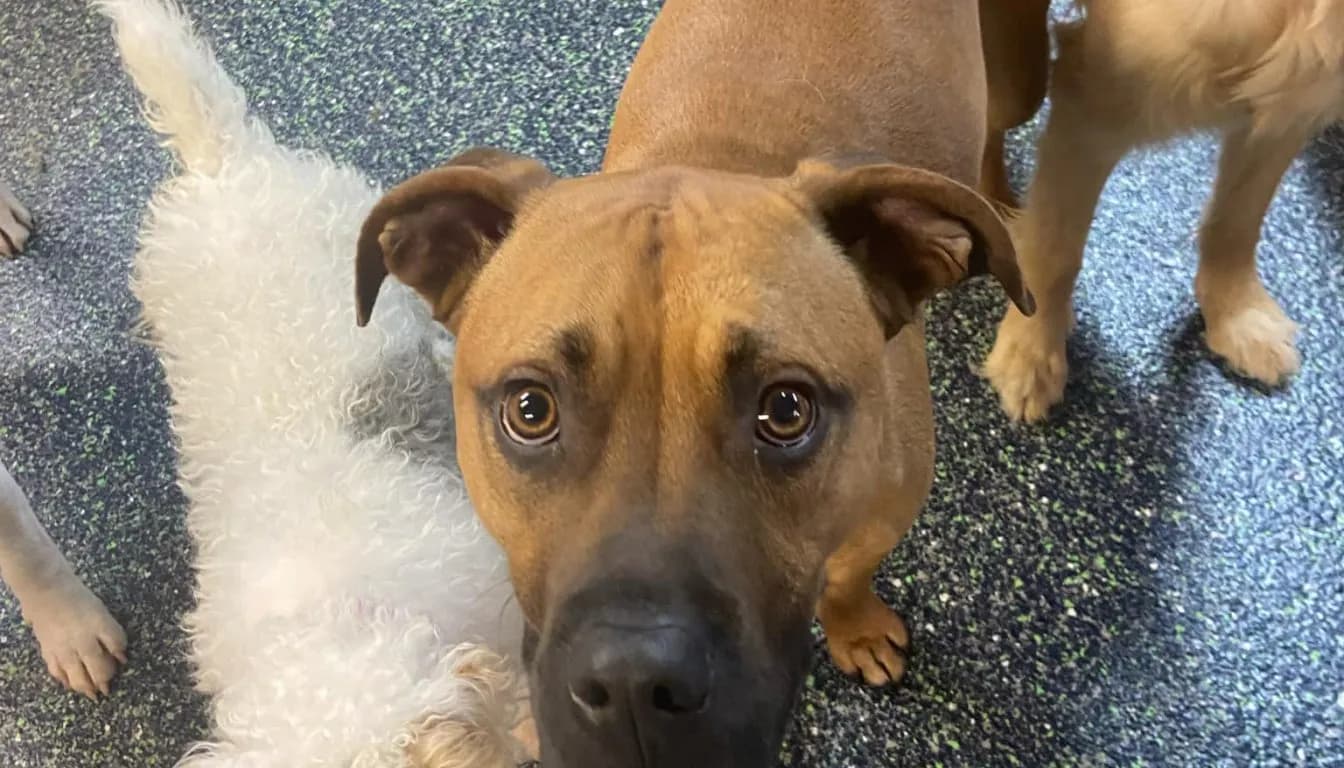
What Is House Training Regression?
House training regression occurs when a dog that was previously reliable in the home begins having accidents indoors again. This behavior can happen with puppies that are still learning as well as adult dogs that had been fully house trained for years.
Regression may appear suddenly or gradually. Some dogs may have occasional accidents, while others may begin urinating indoors frequently.
Although the behavior can be frustrating, it is rarely a sign that the dog is intentionally misbehaving. Dogs communicate through their behavior, and accidents often indicate that something has changed in their environment, health, or routine.
Recognizing that regression is a signal rather than a deliberate action allows owners to approach the problem with patience and understanding.
Changes in Routine
One of the most common causes of house training regression is a change in routine.
Dogs thrive on consistency and predictable schedules. They often learn when it is time to eat, walk, rest, and go outside based on daily patterns. When these patterns change, confusion can occur.
For example, if a dog was previously taken outside at specific times each day and the schedule suddenly shifts, the dog may not know when the next bathroom opportunity will occur.
Changes in household schedules—such as new work hours, travel, or a family member moving in or out—can disrupt the dog’s understanding of the routine.
Re-establishing a consistent schedule often helps dogs regain their house training habits.
Stress and Environmental Changes
Dogs are sensitive to changes in their surroundings. Stressful events or environmental adjustments can sometimes trigger house training regression.
Moving to a new home, rearranging furniture, introducing a new pet, or welcoming a new baby can all affect a dog’s emotional state. Even smaller changes, such as visitors staying in the home or construction noise nearby, may cause anxiety for some dogs.
Stress can disrupt a dog’s normal habits and lead to accidents indoors.
In these situations, providing reassurance, maintaining a predictable routine, and creating calm spaces for the dog can help reduce anxiety.
Structured environments like Howliday Inn Pet Resort often help dogs regain confidence through consistent routines and supervised care.
Medical Issues
Sometimes house training regression is caused by an underlying health problem. Medical conditions that affect bladder control or digestion can lead to sudden accidents indoors.
Urinary tract infections, digestive issues, kidney problems, or age-related health changes may make it difficult for dogs to control their bathroom habits.
If a dog that was previously well-trained begins having frequent accidents, it is important to consult a veterinarian to rule out medical causes.
Addressing health concerns early ensures that the dog receives proper care and prevents unnecessary frustration during training.
Incomplete House Training
In some cases, regression occurs because the dog’s house training was not fully established in the first place.
This situation is common with puppies that seemed to learn quickly but had not yet developed consistent habits. When supervision decreases or routines change, the puppy may revert to previous behaviors.
Dogs learn house training through repetition and reinforcement. If the training process was rushed or inconsistent, the dog may need additional practice to strengthen the habit.
Returning to basic training steps—such as frequent bathroom breaks and rewarding outdoor elimination—can help reinforce the correct behavior.
Marking Behavior
Marking is another reason some dogs begin urinating indoors again.
Unlike regular bathroom accidents, marking usually involves small amounts of urine deposited on vertical surfaces such as walls, furniture, or household objects.
Dogs may mark to communicate with other animals, establish territory, or respond to new scents in the home.
The presence of other pets, unfamiliar visitors, or even scents brought in from outside can sometimes trigger this behavior.
Addressing marking behavior often involves managing environmental triggers and reinforcing appropriate bathroom habits outdoors.
Lack of Supervision
Another common factor in house training regression is reduced supervision.
When dogs are given too much freedom inside the home before their habits are fully established, they may return to old behaviors.
Supervision allows owners to notice early signals that the dog needs to go outside, such as sniffing, circling, or pacing.
If these signals are missed, accidents may occur simply because the dog had no opportunity to go outdoors.
During retraining, limiting the dog’s access to certain areas of the home and gradually increasing freedom as habits improve can be helpful.
Rebuilding Good House Training Habits
When regression occurs, returning to the fundamentals of house training is often the most effective solution.
This process begins with establishing a clear routine for bathroom breaks. Dogs should be taken outside at regular intervals, especially after eating, drinking, sleeping, or playing.
Consistency helps the dog relearn when and where bathroom breaks should occur.
When the dog eliminates outdoors, immediate praise or rewards reinforce the desired behavior.
Positive reinforcement encourages the dog to repeat the correct habit.
Avoiding Punishment
Punishing a dog for accidents indoors can create confusion and anxiety. Dogs may not understand why they are being scolded, especially if the correction happens after the accident.
Instead of learning where to go, the dog may simply become fearful about eliminating in front of the owner.
This fear can sometimes lead dogs to hide accidents rather than improving their behavior.
Focusing on prevention, supervision, and positive reinforcement is far more effective than punishment.
Cleaning Accidents Properly
Proper cleaning is another important step in preventing repeated accidents.
Dogs have a powerful sense of smell, and if a scent remains in an area where an accident occurred, the dog may return to that spot again.
Using enzyme-based cleaners designed for pet accidents helps remove odors that dogs can detect.
Thorough cleaning reduces the likelihood of repeated incidents in the same location.
The Role of Mental and Physical Exercise
A dog’s overall lifestyle can also influence house training behavior.
Dogs that lack exercise or mental stimulation may become restless or anxious, which can contribute to accidents.
Providing daily walks, play sessions, and enrichment activities helps dogs release energy and maintain emotional balance.
Mental stimulation—such as training exercises, puzzle toys, or scent games—also keeps dogs engaged and reduces stress.
Facilities like Howliday Inn Pet Resort in Springfield often incorporate structured activities that help dogs maintain both physical and mental well-being.
Professional Support for Persistent Issues
In some cases, house training regression may persist despite consistent efforts at home. When this happens, professional guidance can be valuable.
Experienced trainers can observe the dog’s behavior and identify patterns that may not be obvious to owners.
Training professionals often design customized plans that address the specific causes of regression.
Structured training environments can also help reinforce positive habits through consistent routines and supervision.
For many Springfield dog owners, professional support can accelerate progress and restore confidence in their dog’s behavior.
Patience during the Retraining Process
Retraining a dog after regression requires patience and understanding. Dogs do not intentionally break house training rules; they simply respond to changes in their environment or needs.
Owners who remain calm and consistent during the retraining process create a supportive learning environment for their pets.
Each successful outdoor bathroom break is a step toward rebuilding reliable habits.
Over time, dogs typically return to their previous level of house training.
Final Thoughts
House training regression can be frustrating, but it is usually a temporary challenge rather than a permanent setback. Dogs that begin having accidents again are often responding to changes in routine, stress, health issues, or incomplete training.
By identifying the underlying cause and returning to consistent house training practices, Springfield dog owners can help their pets regain their reliable habits.
Professional support from facilities like Howliday Inn Pet Resort can also provide valuable guidance and structured routines that help dogs relearn appropriate behaviors.
With patience, consistency, and positive reinforcement, most dogs can overcome house training regression and return to being well-mannered companions in the home.