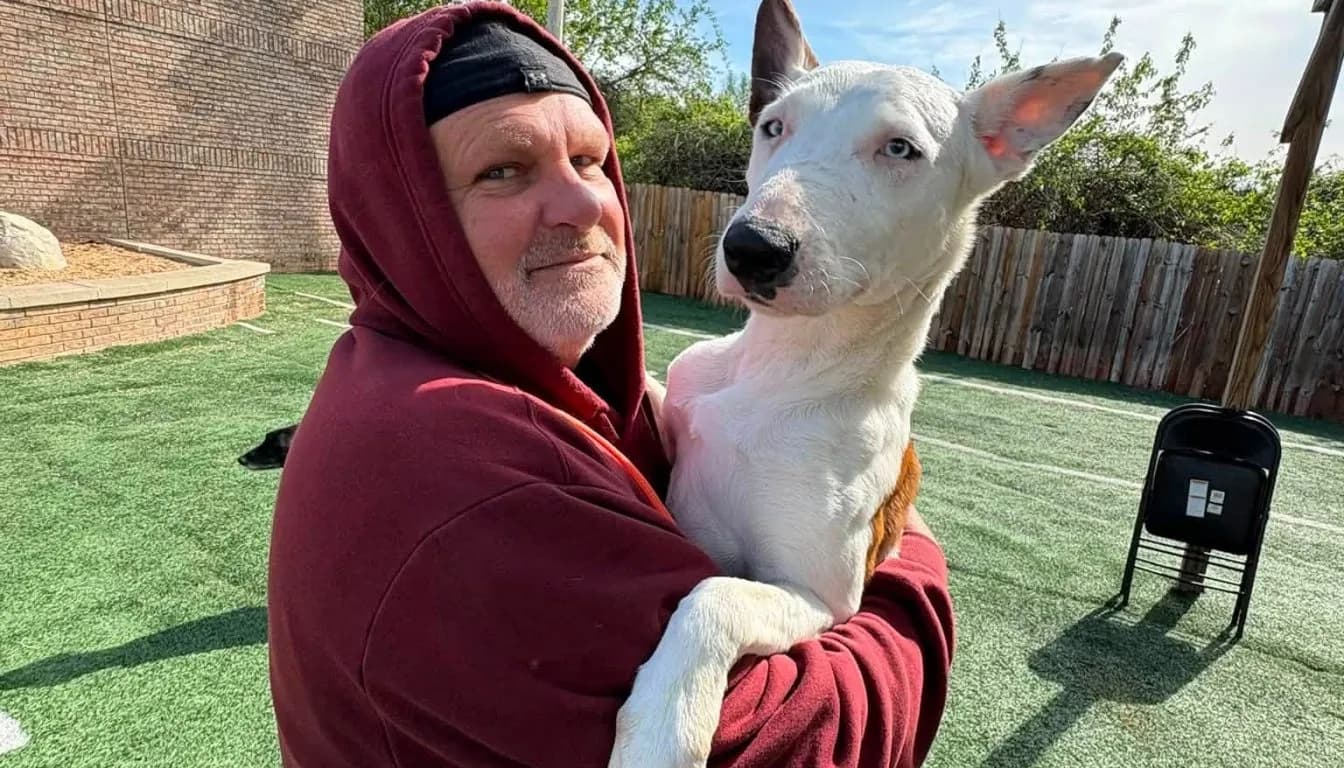
Dog Training for Kids and Families in Springfield, MO: Building Better Habits at Home
Teach your dog better habits at home with family-focused training in Springfield, MO. Perfect for households with kids and active families.

Bringing a dog into a family home is often a joyful and meaningful experience. Dogs quickly become loyal companions, playmates for children, and beloved members of the household. However, when families include kids, busy schedules, and multiple responsibilities, maintaining consistent dog training can sometimes become challenging. Without clear guidance and structure, even a well-intentioned household may unintentionally reinforce behaviors that make life with a dog more difficult.
For families in Springfield, MO, building positive habits between children, parents, and dogs is essential for creating a peaceful home environment. Training is not only about teaching dogs to follow commands—it is about developing communication, respect, and safe interactions among everyone in the household.
When every member of the family takes part in training a dog and follows the same approach, the impact can be truly meaningful. Dogs begin to understand how to remain calm and gentle around children, while kids learn the importance of treating animals with care and respect. This shared effort strengthens the connection within the household and creates clearer expectations for everyone involved. That’s why professional settings such as Howliday Inn Pet Resort encourage family participation in training—lasting behavior improvements are far more likely when everyone contributes to the process.
Understanding how to approach dog training as a family activity can help create lasting habits that support both dogs and the people who love them.
Why Family-Based Dog Training Matters
Dog training becomes most effective when the entire family participates. Dogs learn through repetition and consistency, which means they respond best when everyone in the household uses the same commands and expectations.
When only one person trains the dog while others allow different behaviors, confusion can occur. For example, if one family member allows the dog on the couch while another discourages it, the dog may struggle to understand what the correct behavior is.
Children also play a major role in shaping a dog’s behavior. Dogs often observe children closely because of their movement, energy, and playfulness. If children interact with the dog calmly and respectfully, the dog learns to respond in a similar way.
When families work together to create consistent rules and routines, dogs develop stronger behavioral habits and greater emotional stability.
Teaching Kids How to Interact With Dogs
For many families, one of the most important aspects of training is teaching children how to interact appropriately with dogs.
Children naturally express excitement through running, shouting, or hugging, but these actions may overwhelm or confuse some dogs. Without guidance, misunderstandings can occur that create stress for both the child and the dog.
Parents can help by teaching children several basic principles when interacting with dogs. Children should learn to approach dogs calmly, speak in gentle voices, and avoid sudden movements around them. Respecting a dog’s personal space is also important, especially when the dog is eating, sleeping, or resting.
By modeling calm and respectful behavior, parents help children build positive relationships with dogs while also encouraging the dog to remain relaxed.
These early lessons create safer and more enjoyable interactions between children and pets.
Creating Consistent Rules at Home
Consistency is one of the most important factors in successful dog training. Dogs rely on predictable patterns to understand what behaviors are expected.
Families should establish clear rules for their dog and ensure that everyone follows them consistently. For example, if the family decides that the dog should sit before receiving attention, every family member—including children—should follow that rule.
This consistency helps dogs understand exactly what behaviors lead to positive outcomes.
When expectations remain clear, dogs feel more confident and relaxed in the home environment.
Involving Kids in Training Activities
Training can also be a wonderful opportunity for children to develop responsibility and confidence. When kids participate in simple training exercises, they learn how to communicate with their dog and reinforce positive behaviors.
Children can help with tasks such as practicing basic commands, rewarding the dog with treats for good behavior, or assisting with short training sessions.
These activities not only strengthen the bond between the dog and child but also teach valuable lessons about patience and responsibility.
Parents should supervise training sessions to ensure that both the child and the dog feel comfortable and supported.
Short and fun training sessions work best for families with children, as they maintain the dog’s attention while keeping kids engaged.
Teaching Dogs to Stay Calm around Children
While children must learn how to behave around dogs, dogs also need training to remain calm around the energy that children naturally bring.
Dogs may become excited when children run or play, which can lead to jumping, chasing, or barking.
Teaching dogs impulse control helps manage these situations. Commands like “sit,” “stay,” and “leave it” allow owners to guide the dog’s behavior when excitement rises.
Rewarding calm behavior around children is also important. When the dog remains relaxed while kids are playing nearby, praise and rewards reinforce that calm response.
Over time, dogs learn that staying calm around children leads to positive experiences.
Building Positive Daily Routines
Daily routines play a major role in helping dogs feel secure and well-behaved.
Dogs thrive when they know what to expect throughout the day. Scheduled walks, feeding times, play sessions, and rest periods help create structure that supports training.
For families, involving children in these routines can be especially helpful. Kids may assist with feeding, brushing, or walking the dog under supervision.
These shared responsibilities strengthen the bond between family members and the dog.
Structured environments like Howliday Inn Pet Resort in Springfield often emphasize consistent routines because they help dogs maintain emotional balance and develop good habits.
Families can bring similar structure into their homes by maintaining regular schedules.
Encouraging Positive Play
Playtime is one of the most enjoyable ways for families and dogs to interact. However, teaching children how to play appropriately with dogs is essential for preventing unwanted behaviors.
Games that involve toys—such as fetch or tug with designated dog toys—are excellent choices because they redirect the dog’s energy toward appropriate objects.
Rough play that encourages biting at hands or clothing should be avoided. While it may seem harmless with a small puppy, it can create habits that become problematic as the dog grows.
By focusing on structured and positive play activities, families can keep interactions fun while reinforcing good behavior.
Teaching Boundaries for Both Dogs and Kids
Boundaries help both children and dogs feel safe and respected.
Dogs should have designated spaces where they can relax without interruption, such as a bed or crate. Teaching children to respect these spaces allows the dog to retreat and rest when needed.
At the same time, dogs should learn that certain behaviors—such as jumping on people or stealing toys—are not acceptable.
Clear boundaries help create a balanced environment where both dogs and children understand the household rules.
The Role of Socialization
Socialization is another important element of family dog training.
Dogs that are exposed to a variety of people, animals, and environments early in life often become more confident and adaptable.
Families can introduce dogs to new experiences gradually, allowing them to observe and explore at a comfortable pace.
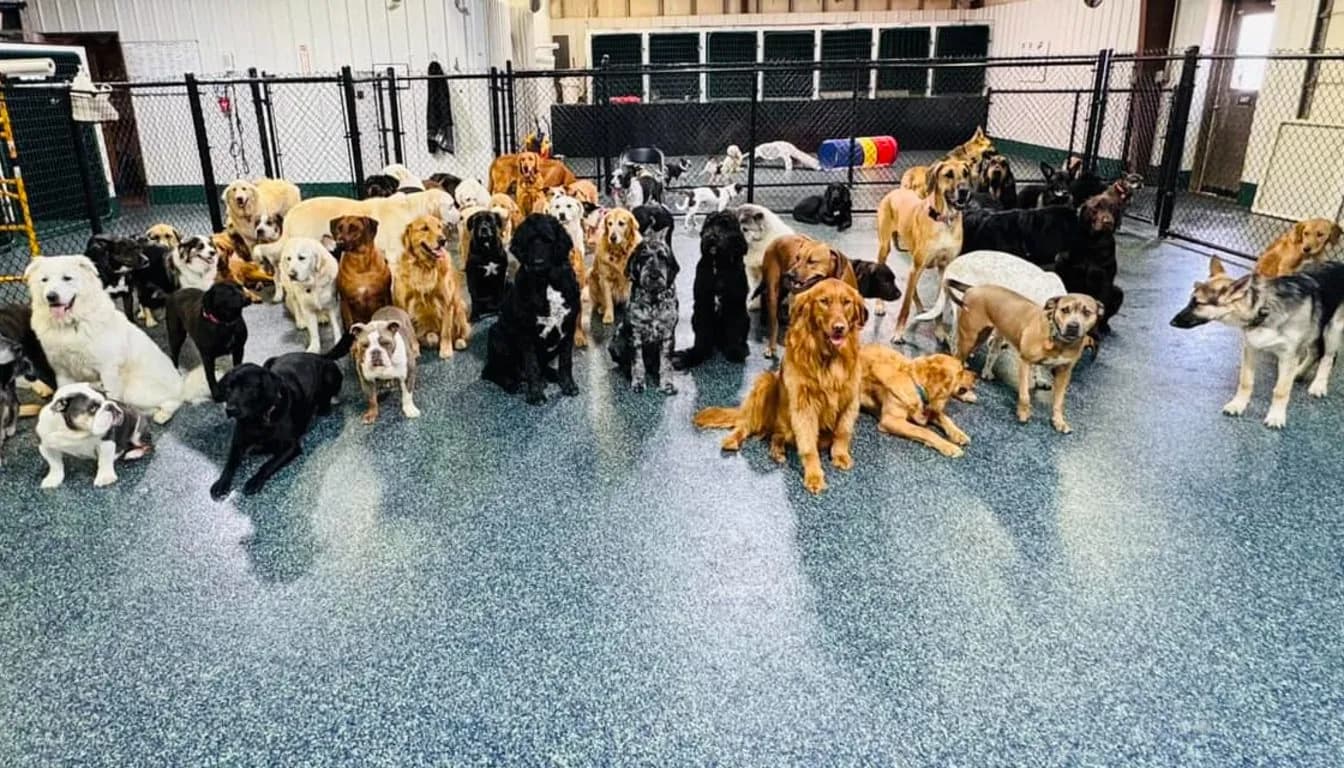
Professional environments such as Howliday Inn Pet Resort provide supervised social opportunities that help dogs develop confidence and appropriate social behavior.
These experiences can be particularly beneficial for families who want their dogs to feel comfortable in busy household settings.
Addressing Common Family Training Challenges
Families often face unique challenges when training dogs, especially when multiple people are involved.
Busy schedules may make it difficult to maintain consistent routines. Children may forget training rules during playtime, or different family members may use different commands.
Addressing these challenges requires open communication within the family. Discussing training goals and agreeing on household rules ensures that everyone works toward the same objectives.
When families remain patient and supportive, dogs can adapt to the environment and learn appropriate behaviors.
The Benefits of Family-Centered Dog Training
When dog training becomes a shared family effort, the benefits extend beyond obedience.
Dogs that grow up in structured and respectful environments often develop strong emotional bonds with each family member. They learn to respond calmly to children, behave politely around guests, and participate confidently in daily activities.
Children also gain valuable life skills through these experiences. They learn empathy, responsibility, and the importance of caring for another living being.
The entire household benefits from improved communication, stronger relationships, and a more peaceful living environment.
Professional Support for Springfield Families
Some families may benefit from additional guidance when training their dog. Professional trainers can provide valuable insight into canine behavior and help create training plans tailored to the family’s needs.
At Howliday Inn Pet Resort in Springfield, MO, experienced trainers work with dogs and their owners to develop positive habits through structured routines and consistent training.
These programs help reinforce obedience, improve social behavior, and teach families how to continue training successfully at home.
Professional guidance can be especially helpful for families navigating challenges such as energetic puppies, shy dogs, or dogs adjusting to homes with children.
Final Thoughts
Dog training in family homes is about much more than teaching commands. It is about building trust, respect, and communication between dogs, children, and parents.
For families in Springfield, MO, involving everyone in the training process helps create consistent routines and positive interactions that support long-term success.
By teaching children how to interact respectfully with dogs, reinforcing calm behavior, and maintaining clear household rules, families can create an environment where both dogs and people thrive.
Facilities like Howliday Inn Pet Resort demonstrate how structured training and supportive guidance can help dogs develop the habits needed to become well-mannered companions.
With patience, teamwork, and positive reinforcement, families can build lasting relationships with their dogs while creating a home filled with trust, respect, and joyful companionship.