Five Practical Dog Training Tips for Springfield-Area Owners
Plan clearer dog training with five practical tips on cues, rewards, manageable practice, suitable settings and professional support.
A useful training plan gives you a task to practice and a way to review what happens. These five tips help organize that work without promising a fixed timeline or a completely changed dog.
Use them alongside individual instruction, especially when your household has a specific behavior concern.
1. Agree on the Cue and the Task
Choose a clear cue for a specific action and write it down for household members. Keep different tasks distinct: lying down and getting off furniture are not the same request.
Ask the trainer to watch you practice. A demonstration with your dog is more useful than assuming everyone understands an instruction the same way.
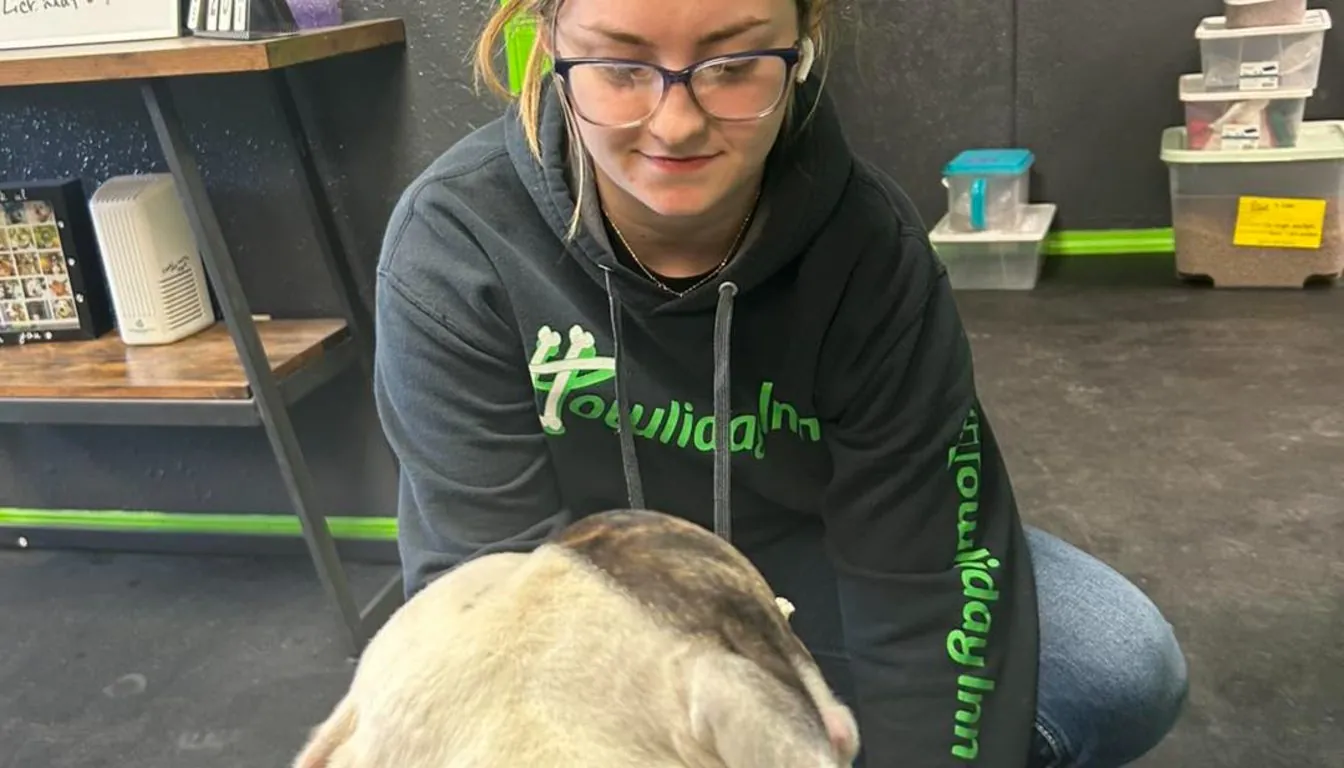
2. Prepare Appropriate Rewards
Ask which food, toy or other reward fits the exercise and your dog’s needs. Account for dietary restrictions and agree on the timing with the trainer.
See the missed-cue guide for a discussion of markers and rewards. Keep essential care available; meals, water and toilet opportunities should not depend on passing an obedience test.
3. Make the Practice Manageable
Choose a task and setting your trainer recommends, with breaks and a realistic amount of work. Do not use a fixed session length as a target regardless of the dog’s response.
Record what was asked and what happened. If you repeatedly struggle, review the plan rather than simply increasing repetitions or pressure.
4. Choose New Settings Deliberately
Discuss when and how to practice outside the original setting. Keep suitable management in place and do not test recall off leash in an unsecured area.
A group class or daycare visit is not automatically appropriate exposure for every dog. Explain fear, lunging or handling concerns before arranging attendance.
5. Ask for the Right Kind of Help
Use private lessons for individual coaching or discuss a suitable class. Confirm the topic, methods, prerequisites and follow-up.
Sudden changes, suspected illness or significant distress warrant veterinary advice. A trainer’s role and the need for additional professional assessment should be clear before enrolling.
Fit Practice Into Daily Life
Select a manageable opportunity in your routine, prepare the space and agree on the household’s role. Keep a brief record for the next lesson.
Review progress in the situation where the skill matters, not just during a single successful demonstration. Adjust the plan with guidance as needs change.
Discuss Training Near Springfield
Training is offered with Standing Obeytion Dog Training at Howliday Pet Resort, 4939 US-60, Rogersville, MO 65742, near Springfield. Call (417) 771-5221 to discuss suitability, dates, methods and a complete quote before enrolling.