
What Problems Happen When Dogs Stay Home Alone Too Long?
Discover the real problems that happen when dogs stay home alone too long — from anxiety to destructive behavior. Learn safer alternatives in Springfield, MO.

Dogs are loyal companions who thrive on connection, routine, and interaction with the people they love most. For many pet parents, dogs are not simply animals living in the home — they are cherished family members who bring comfort, happiness, and unconditional love into everyday life. Because of this strong emotional bond, many owners naturally worry about leaving their dogs alone for extended periods of time.
Modern life can sometimes make long absences unavoidable. Busy work schedules, family responsibilities, emergencies, vacations, and travel commitments may require dogs to spend hours at home without human interaction. While dogs can handle short periods of alone time, staying home alone too long can create emotional, behavioral, and physical problems that affect their overall wellbeing.
This raises an important question for pet owners: What problems happen when dogs stay home alone too long?
The answer goes far beyond simple boredom. Dogs are social animals that rely heavily on mental stimulation, exercise, companionship, and emotional reassurance. Extended isolation can negatively impact their behavior, stress levels, health, and emotional balance.
At Howliday Inn Pet Resort, understanding canine emotional needs is a major part of creating positive care experiences for pets. Whether through boarding, supervised play, or personalized attention, helping dogs stay engaged and emotionally supported plays a key role in maintaining their happiness and wellbeing.
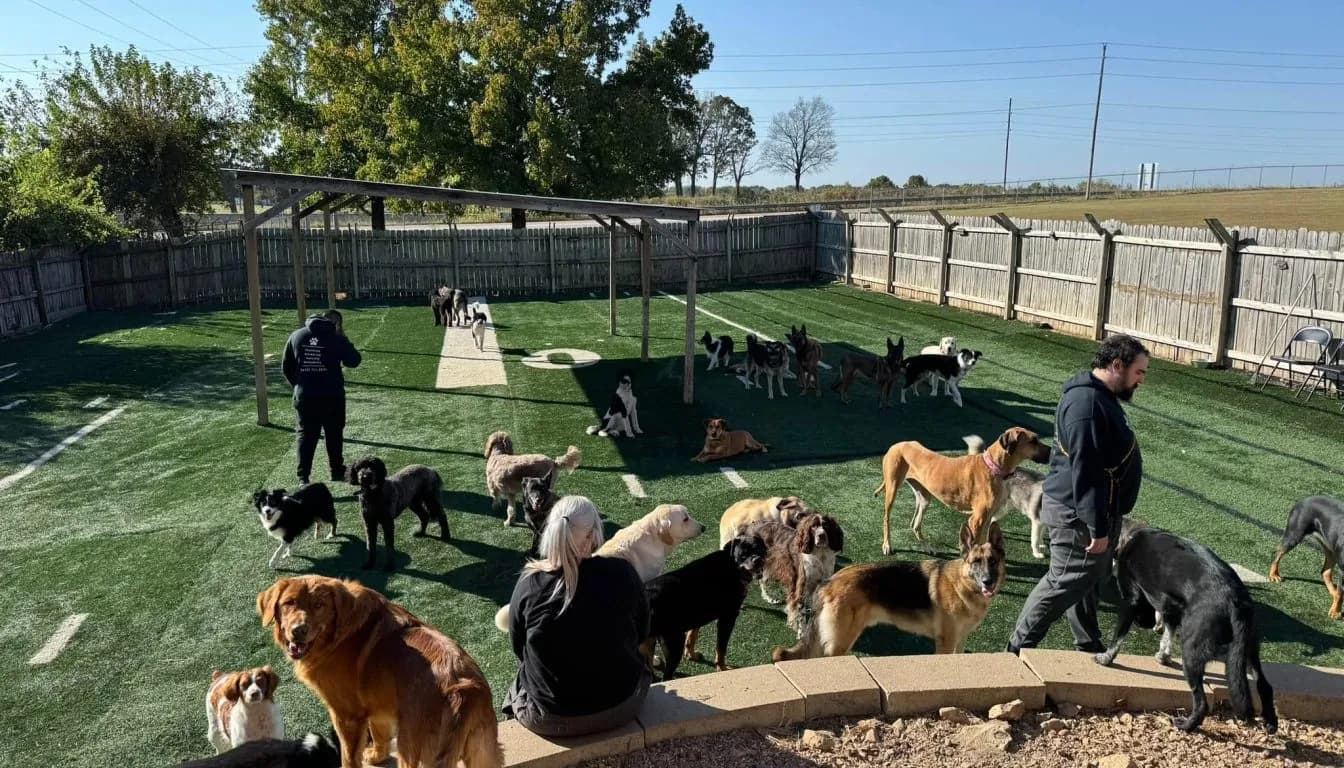
Dogs Are Naturally Social Animals
To understand why long periods alone can be difficult for dogs, it helps to recognize how deeply social they truly are.
Dogs evolved alongside humans over thousands of years. They naturally form strong emotional attachments and often depend on companionship for comfort, security, and mental stimulation. Most dogs become emotionally connected to their owners’ routines, voices, presence, and daily interaction.
When dogs are left alone for too long without sufficient stimulation or companionship, they may begin experiencing stress, frustration, loneliness, or anxiety.
While some independent dogs tolerate solitude better than others, most pets still require regular social interaction and engagement to remain emotionally healthy.
Separation Anxiety Can Develop
One of the most common problems associated with extended isolation is separation anxiety.
Separation anxiety occurs when a dog becomes emotionally distressed during periods away from their owner. Some dogs may initially show mild nervousness, while others experience severe anxiety when left alone for long periods regularly.
Dogs with separation anxiety may display behaviors such as:
- Excessive barking or whining
- Pacing around the home
- Scratching doors or windows
- Destructive chewing
- Attempts to escape
- Indoor accidents
- Refusal to eat
- Excessive drooling or panting
These behaviors are not signs of disobedience. In many cases, they are emotional responses to stress, loneliness, or fear.
At Howliday Inn Pet Resort, structured interaction, compassionate care, and engaging routines help reduce emotional stress and provide dogs with the companionship and stimulation they need while owners are away.
Boredom Can Lead to Destructive Behavior
Dogs need both physical and mental stimulation to stay balanced and emotionally healthy. When left alone for too long with nothing to do, boredom can quickly become a major problem.
Bored dogs often look for ways to release energy or entertain themselves. Unfortunately, this sometimes results in destructive behavior inside the home.
Common boredom-related behaviors include:
- Chewing furniture or shoes
- Digging through trash
- Scratching walls or doors
- Destroying pillows or bedding
- Tearing apart household objects
Destructive behavior is often a sign that a dog is under-stimulated rather than intentionally misbehaving.
Dogs thrive when they receive opportunities for exercise, play, exploration, and interaction throughout the day.
At Howliday Inn Pet Resort, supervised activities and engaging environments help dogs remain active, mentally stimulated, and emotionally satisfied.
Excessive Loneliness Affects Emotional Health
Just like humans, dogs can experience loneliness.
Many dogs become deeply attached to their families and rely on companionship to feel secure and emotionally balanced. Extended isolation can lead to sadness, withdrawal, and emotional distress.
Lonely dogs may appear:
- Less energetic
- Withdrawn or quiet
- Clingy when owners return home
- Less interested in toys or food
- More anxious overall
Over time, chronic loneliness can affect a dog’s confidence, mood, and overall quality of life.
At Howliday Inn Pet Resort, emotional wellbeing is treated as an important part of pet care. Positive interaction, socialization, and attentive supervision help dogs feel connected and supported while away from home.
Lack of Exercise Can Create Health Problems
Dogs need regular movement and activity to stay physically healthy.
When dogs remain home alone for long periods without walks, playtime, or exercise, they may develop physical and behavioral issues related to inactivity.
Insufficient exercise can contribute to:
- Weight gain
- Reduced muscle tone
- Restlessness
- Frustration
- Hyperactivity when owners return home
- Poor sleep patterns
Active dogs especially struggle with extended inactivity because they have excess energy with no healthy outlet.
At Howliday Inn Pet Resort, dogs enjoy structured playtime and supervised exercise that supports both physical health and emotional wellbeing.
Regular movement helps dogs stay happier, calmer, and more balanced overall.
Bathroom and Hygiene Issues
Dogs left alone too long may eventually struggle with bathroom needs, even if they are fully house-trained.
Holding urine for excessive periods can cause discomfort and may increase the risk of health concerns such as urinary tract issues or digestive problems.
Some dogs may experience:
- Indoor accidents
- Physical discomfort
- Stress related to confinement
- Disrupted routines
This situation can become especially difficult for:
- Puppies
- Senior dogs
- Small breeds
- Dogs with medical conditions
Professional care environments provide regular bathroom breaks and attentive routines that help dogs remain comfortable and healthy.
Excessive Barking May Become a Problem
Dogs left alone for extended periods often bark excessively due to boredom, loneliness, frustration, or anxiety.
This can create problems not only for the dog but also for neighbors and household environments.
Excessive barking may happen because dogs are:
- Seeking attention
- Reacting to outside noises
- Feeling anxious
- Trying to release pent-up energy
- Expressing loneliness
Without stimulation or interaction, barking can become a repetitive coping behavior.
Structured care, exercise, and social engagement help reduce stress-related barking significantly.
Mental Stimulation Is Essential for Dogs
Mental stimulation is just as important as physical exercise.
Dogs need opportunities to think, explore, solve problems, and engage with their surroundings. Without mental activity, many dogs become frustrated or emotionally unbalanced.
Lack of stimulation may lead to:
- Boredom
- Anxiety
- Hyperactivity
- Attention-seeking behavior
- Depression-like symptoms
At Howliday Inn Pet Resort, enrichment activities and engaging routines help keep dogs mentally active and emotionally satisfied during their stay.
A stimulated dog is often calmer, happier, and more emotionally secure.
Some Dogs Are More Vulnerable Than Others
Not all dogs react the same way to extended periods alone.
Some dogs are naturally independent, while others become emotionally distressed more easily.
Dogs more likely to struggle with isolation include:
- Puppies
- Senior dogs
- Rescue dogs
- Highly social breeds
- Dogs with separation anxiety
- Pets with limited socialization experience
Understanding your dog’s personality and emotional needs is important when deciding how long they can comfortably remain alone.
At Howliday Inn Pet Resort, personalized care helps ensure dogs receive attention and support based on their unique personalities and comfort levels.
Long-Term Isolation Can Affect Behavior Permanently
In some cases, repeated long-term isolation can create lasting behavioral changes in dogs.
Chronic loneliness or stress may contribute to:
- Increased fearfulness
- Difficulty socializing
- Persistent anxiety
- Destructive habits
- Reduced confidence
- Emotional dependency
Dogs that experience consistent emotional support, stimulation, and positive interaction are often healthier and better adjusted overall.
Providing dogs with companionship and structured care helps strengthen their emotional stability and confidence over time.
Why Professional Boarding Can Help
For pet owners who travel frequently or work long hours, professional boarding or daycare services can provide a healthier alternative to prolonged isolation at home.
Premium boarding facilities like Howliday Inn Pet Resort offer dogs:
- Human interaction and companionship
- Supervised exercise and playtime
- Mental stimulation
- Structured routines
- Emotional support
- Safe socialization opportunities
- Comfortable resting environments
Rather than spending long hours alone, dogs remain active, engaged, and emotionally supported throughout the day.
Many dogs actually enjoy the stimulation and attention they receive in well-managed boarding environments.
The Emotional Benefits of Social Interaction
Dogs thrive when they feel connected and included.
Positive social experiences with caregivers and other friendly dogs can improve confidence, reduce anxiety, and help pets remain emotionally balanced.
At Howliday Inn Pet Resort, social interaction is carefully supervised to create safe and positive experiences for every guest.
Whether through playtime, individual attention, or gentle companionship, these interactions help dogs feel happier and more secure during their stay.
The Howliday Inn Pet Resort Difference
At Howliday Inn Pet Resort, every dog is treated with compassion, patience, and personalized care. The focus is not simply on supervision but on creating an enriching environment where dogs can relax, play, socialize, and feel emotionally supported.
From structured routines and supervised activities to comfortable accommodations and attentive caregivers, every aspect of the experience is designed to support both physical and emotional wellbeing.
Dogs deserve environments where they feel safe, engaged, and genuinely cared for — especially during periods away from their families.
Final Thoughts
So, what problems happen when dogs stay home alone too long? Extended isolation can lead to separation anxiety, boredom, destructive behavior, loneliness, excessive barking, lack of exercise, emotional stress, and even long-term behavioral challenges.
Dogs are deeply social animals that rely on companionship, activity, and routine to remain healthy and emotionally balanced.
At Howliday Inn Pet Resort, the goal is to provide dogs with enriching experiences, compassionate care, and positive interaction that help them stay happy, comfortable, and emotionally secure while their owners are away.
For pet parents, understanding the emotional and physical effects of prolonged isolation helps reinforce the importance of choosing supportive care environments that truly prioritize a dog’s overall wellbeing.