
The 5-Minute Mistake Springfield, MO Dog Owners Make Every Day (That Ruins Training)
Are you making this daily dog training mistake? Springfield trainers reveal what’s hurting progress—and how to fix it quickly.

Every dog owner wants a well-behaved, responsive companion. You invest time, energy, and love into your dog, hoping they’ll listen, follow commands, and fit seamlessly into your daily life. Yet, for many pet parents in Springfield, MO, there’s a frustrating gap between effort and results.
You might practice commands, reward good behavior, and even watch training videos—but your dog still pulls on the leash, ignores cues, or forgets everything you’ve taught them at the worst possible moments.
Here’s the surprising truth: it’s often not the big things that derail your dog’s training. It’s a small, seemingly harmless habit that takes just a few minutes a day.
At Howliday Inn Pet Resort, we’ve worked with countless dogs and their owners, and we see this pattern all the time. There’s one common, everyday mistake that quietly undermines progress—and most owners don’t even realize they’re doing it.
Let’s take a closer look at what this mistake is, why it matters, and how you can fix it.
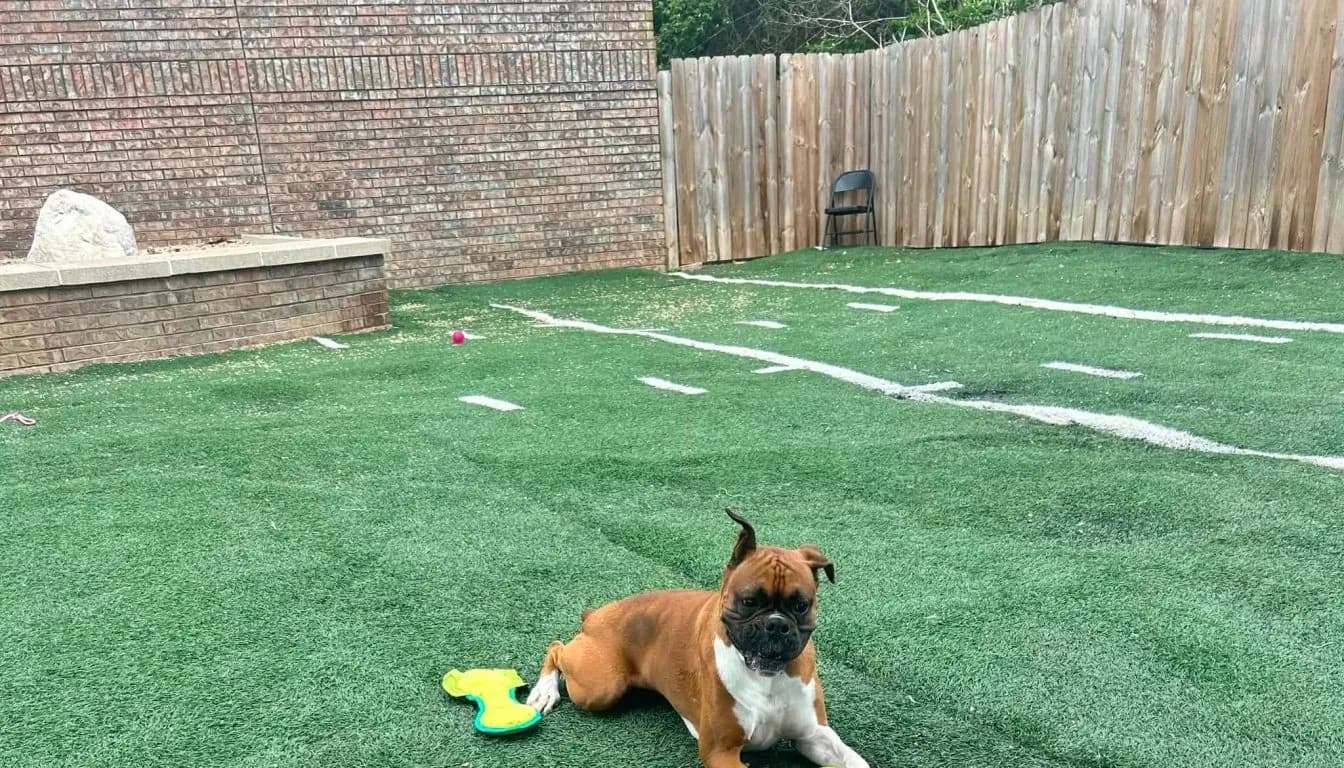
The 5-Minute Mistake: Letting Small Behaviors Slide
The mistake is simple: allowing unwanted behavior “just this once.”
It usually happens during busy moments. You’re rushing out the door, distracted by a phone call, or just too tired to correct your dog. Maybe your dog jumps on you, pulls on the leash, ignores a command, or barks for attention—and instead of addressing it, you let it go.
After all, it’s only a few minutes, right?
But to your dog, those few minutes matter more than you think.
Dogs are constantly learning from every interaction. They don’t separate “training time” from “real life.” For them, every moment is part of the lesson. When a behavior goes unchecked—even briefly—it can become reinforced.
That five-minute window, repeated day after day, can undo hours of intentional training.
Why Small Moments Have a Big Impact
Dogs learn through patterns and outcomes. If a behavior works—even occasionally—they’re likely to repeat it.
Let’s say your dog pulls on the leash during a walk. Most of the time, you try to correct it. But one day, you’re in a hurry and just keep walking while they pull.
From your dog’s perspective, pulling just worked.
They got where they wanted to go faster. That single success can be enough to strengthen the behavior, making it more likely to happen again.
This is known as intermittent reinforcement, and it’s one of the most powerful ways behavior becomes ingrained, When a dog isn’t sure when a behavior will pay off—but knows that sometimes it does—they’ll keep trying.
In other words, inconsistency doesn’t just slow training—it can actually make unwanted behaviors stronger.
The “Just This Once” Trap
It’s easy to justify letting things slide. Life is busy, and not every moment feels like the right time for training.
Maybe your dog jumps on you when you walk through the door. Normally, you try to discourage it. But one day, you’ve had a long day, and you don’t mind the excitement—you even pet them while they’re jumping.
That moment sends a mixed message. Sometimes jumping is not okay. Other times, it gets attention and affection.
Your dog isn’t being stubborn when they continue the behavior—they’re responding to what they’ve learned.
At Howliday Inn Pet Resort, we often explain it this way: dogs don’t understand exceptions. They understand patterns. If the pattern isn’t clear, they’ll default to whatever works best for them.
How Inconsistency Confuses Your Dog
Consistency is the backbone of effective training. When rules are clear and predictable, dogs learn quickly. When rules change, confusion sets in.
Imagine being given instructions that change every day. One day you’re rewarded for something, the next day you’re corrected for the same action. Over time, you’d probably feel uncertain and frustrated.
Dogs experience the same confusion.
When behaviors are sometimes allowed and sometimes corrected, your dog doesn’t know what’s expected. This uncertainty can lead to slower learning, inconsistent responses, and even anxiety.
The goal of training isn’t perfection—it’s clarity. The clearer your expectations are, the easier it is for your dog to succeed.
Everyday Situations Where This Happens
This five-minute mistake tends to show up in the same types of situations.
During walks, you might allow pulling because you’re trying to get somewhere quickly. At home, you might ignore barking because you’re busy. When guests arrive, you might tolerate jumping to avoid making a scene.
These moments feel minor, but they’re powerful teaching opportunities—whether you intend them to be or not.
Dogs don’t distinguish between “important” and “unimportant” moments. Every interaction shapes their understanding of the world.
Why Training Sessions Alone Aren’t Enough
Many dog owners set aside time specifically for training. That’s a great start—but it’s only part of the picture.
If your dog behaves well during a 10-minute training session but experiences inconsistent rules the rest of the day, progress will be limited.
Training isn’t just something you do—it’s something you live.
The most successful dog owners integrate training into their daily routines. They reinforce good behavior consistently and address unwanted behavior in real time.
At Howliday Inn Pet Resort, we emphasize that everyday life is the real training ground. Structured sessions are helpful, but lasting results come from consistent habits throughout the day.
The Role of Timing and Follow-Through
Another layer of this mistake involves timing. When you let behavior slide, you’re not just missing a correction—you’re missing a teaching moment.
Dogs learn best when feedback is immediate. If a behavior happens and there’s no response, your dog may assume it’s acceptable.
Follow-through is equally important. If you give a command but don’t ensure it’s completed, your dog learns that listening is optional.
For example, if you say “sit” and your dog ignores you, then you move on, you’ve unintentionally taught them that commands can be ignored without consequence.
Consistent follow-through reinforces reliability. It shows your dog that your cues matter every time.
How to Break the Habit
The first step in fixing this issue is awareness. Once you recognize how often these small moments occur, you can start making intentional changes.
Begin by committing to consistency. Decide what behaviors are acceptable and what aren’t, and stick to those rules—even during busy or inconvenient moments.
This doesn’t mean you have to turn every situation into a full training session. Often, small adjustments are enough. For instance, pausing during a walk when your dog pulls, or waiting for calm behavior before giving attention.
These simple actions reinforce the right habits without requiring extra time.
It’s also helpful to set realistic expectations. You don’t need to be perfect, but you do need to be consistent most of the time. Over time, those consistent responses will create clear patterns your dog can understand.
Building Better Daily Habits
Think of training as a series of small, repeated choices rather than one big effort.
When your dog makes a good choice, acknowledge it. When they make a mistake, guide them toward the correct behavior.
These interactions don’t have to be complicated. In fact, the simplest responses are often the most effective.
What matters most is that your dog receives clear, consistent feedback.
Over time, these daily habits will shape their behavior far more than occasional training sessions ever could.
When Professional Support Makes a Difference
If you’ve been struggling with consistency or feel like your dog’s behavior isn’t improving, you’re not alone—and you don’t have to figure it out on your own.
At Howliday Inn Pet Resortin Springfield, MO, we specialize in helping pet owners identify these hidden patterns and replace them with effective training strategies.
Sometimes, an outside perspective can reveal habits you didn’t even realize were affecting your dog’s behavior. With the right guidance, even small changes can lead to noticeable improvements.
Our goal isn’t just to train your dog—it’s to equip you with the tools and confidence to maintain that training in your everyday life.
Strengthening Your Relationship through Consistency
Training isn’t just about obedience—it’s about communication and trust.
When your dog understands what’s expected and sees that those expectations are consistent, they feel more secure. That sense of clarity strengthens your bond and makes everyday interactions smoother and more enjoyable.
Instead of feeling frustrated or ignored, you’ll start to see cooperation and responsiveness.
And that shift can transform not just your dog’s behavior, but your entire experience as a pet owner.
Final Thoughts
The biggest obstacles in dog training aren’t always obvious. Sometimes, they show up in the smallest, most routine moments.
That five-minute habit of letting things slide might seem insignificant, but over time, it can have a major impact on your dog’s behavior.
The encouraging part is that it’s also one of the easiest things to fix.
By focusing on consistency, follow-through, and clear communication, you can turn those everyday moments into powerful training opportunities.
When you decide to be more purposeful in shaping your dog’s behavior, Howliday Inn Pet Resortis here to support and guide you along the way. With consistent habits and the right approach, any dog can improve—and every owner can experience the satisfaction of a well-behaved, self-assured companion.