What Your Dog Remembers After Boarding (And What They Don’t)
Explore how dogs process boarding experiences and what stays with them. Get expert insights for stress-free stays—read more now.
Leaving your dog at a pet resort can stir up a mix of emotions—guilt, curiosity, and often a big question: Will my dog remember this experience… and how will they feel about it?
At Howliday Inn Pet Resort, one of the most common concerns pet parents have is what stays in their dog’s memory after boarding. Do dogs remember being left behind? Do they feel abandoned? Or do they simply recall the fun, care, and attention they received?
Understanding how dogs process memories can help ease your mind and give you a clearer picture of what your furry companion actually experiences during and after their stay.
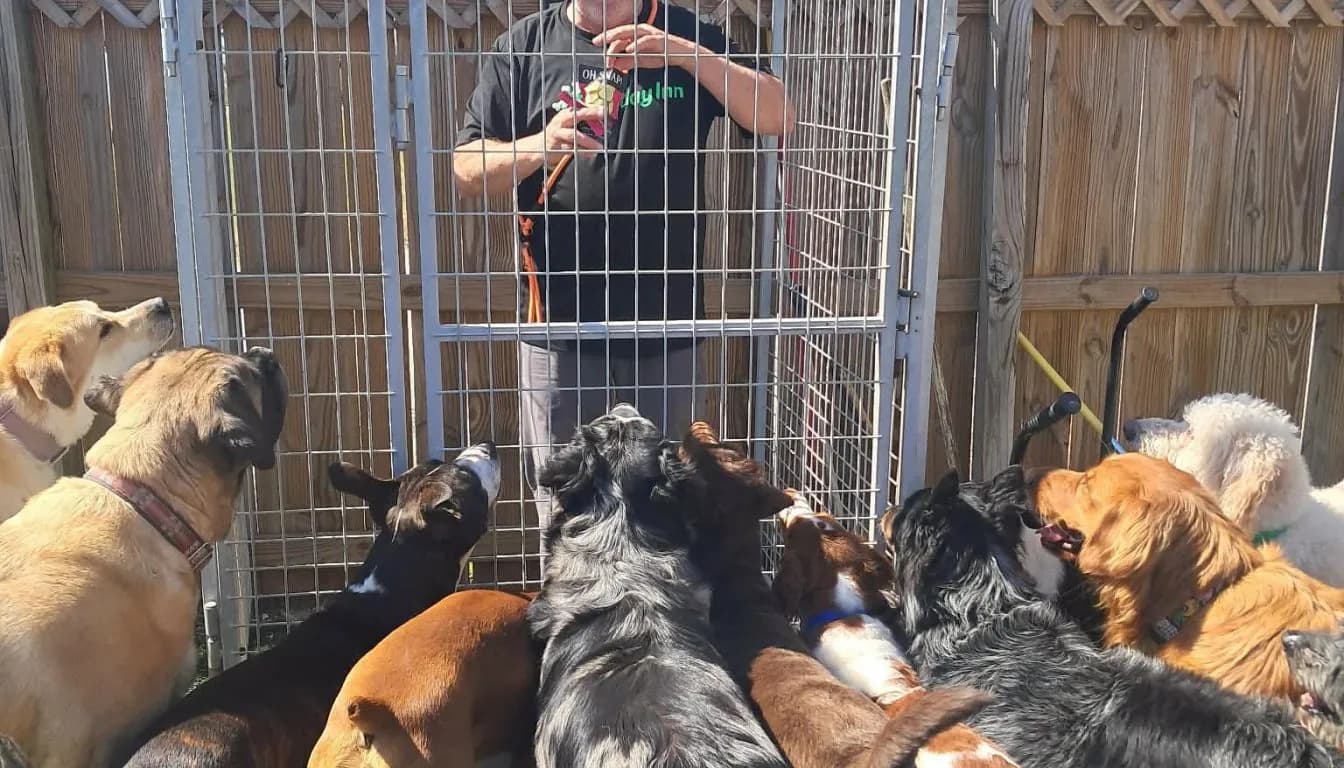
How Dogs Experience Memory Differently from Humans
Before diving into what your dog remembers, it’s important to understand how canine memory works.
Unlike humans, dogs don’t have strong “episodic memory”—they don’t replay detailed past events like we do. Instead, they rely more on associative memory, meaning they remember how something felt rather than recalling it step-by-step.
For example, your dog may not remember the exact moment you dropped them off at Howliday Inn, but they will remember whether the overall experience felt safe, fun, or stressful.
This is why the environment, routine, and emotional tone of their stay matter so much.
What Your Dog Does Remember After Boarding
- The Feeling of the Experience
Your dog may not recall every detail of their stay, but they absolutely remember the emotional impression it left behind.
If their time at Howliday Inn was filled with play, attention, and comfort, they’re likely to associate boarding with positive feelings. This is why many dogs become excited on return visits—they remember the good vibes, not the separation.
- ** Familiar Faces and Caregivers**
Dogs are incredibly good at recognizing people who treat them kindly. If your dog spent time bonding with staff members, there’s a strong chance they’ll remember those faces—or at least feel a sense of familiarity when they see them again.
At Howliday Inn Pet Resort, consistent interaction and gentle handling help build this trust, turning unfamiliar humans into friendly, recognizable companions.
- ** Routines and Patterns**
Dogs thrive on routine, and they’re quick to pick up patterns. Feeding times play sessions, walks—these structured activities create a sense of predictability.
Even after returning home, your dog may show signs of remembering those routines, especially if they were enjoyable. For example, they might expect playtime at a certain hour or appear more relaxed in structured environments.
- ** Other Dogs and Social Experiences**
If your dog is social, they may remember the experience of interacting with other dogs, even if they don’t remember specific individuals.
Positive group play can leave a lasting impression, making your dog more confident and comfortable around other pets in the future.
- ** The Environment’s Emotional Tone**
Dogs are highly sensitive to their surroundings. They may not remember the exact layout of Howliday Inn, but they will remember whether it felt calm, stimulating, or overwhelming.
A well-managed, peaceful, and engaging environment helps create a positive association that lingers long after their stay ends.
What Your Dog Doesn’t Remember (The Way You Think)
- The “Abandonment” Narrative
One of the biggest worries pet parents have is that their dog feels abandoned or betrayed.
The truth is, dogs don’t process situations in the same emotional storyline that humans do. They may feel temporary confusion when you leave, but they don’t sit there thinking, “My owner left me forever.”
Once they settle into a new routine and receive care, their focus shifts quickly to the present moment.
- ** The Exact Timeline of Events**
Your dog won’t remember that you were gone for three days or a week. Dogs live very much in the “now.”
This means they don’t count hours or dwell on how long you’ve been away. What matters more is how they’re feeling during that time.
- ** Minor Stress Moments**
If you’re dog experienced brief anxiety—like during drop-off—it usually doesn’t stick in their long-term memory, especially if the rest of the stay was positive.
Positive experiences tend to outweigh short-lived stress, helping your dog retain an overall good impression.
- ** Missing You in the Way Humans Imagine**
Yes, your dog loves you deeply. But their sense of missing you isn’t tied to over thinking or prolonged sadness.
They may notice your absence initially, but with proper care, interaction, and stimulation, they adapt quickly. When you return, their excitement reflects recognition and affection—not lingering distress.
What Happens When You Reunite
One of the most heartwarming moments is picking your dog up after boarding.
You’ll often see a burst of excitement—wagging tails, jumping, and happy energy. This reaction isn’t because they were miserable the entire time; it’s because they recognize you and are genuinely happy to reconnect.
Interestingly, many dogs return home calm, well-exercised, and mentally satisfied. This is a sign that their stay was engaging and fulfilling.
Why a Positive Boarding Experience Matters
Since dogs remember feelings more than details, the quality of their boarding experience is everything.
At Howliday Inn Pet Resort, the focus is on creating a balanced environment—one that combines care, play, rest, and emotional reassurance. This ensures your dog forms positive associations with boarding rather than stress-related ones.
When a dog associates boarding with comfort and fun, future stays become easier and even enjoyable.
Signs You’re Dog Had a Good Boarding Experience
After bringing your dog home, you can look for subtle signs that indicate how they processed their stay.
A dog that had a positive experience will typically:
- Return home relaxed rather than overly anxious
- Eat and sleep normally
- Show no signs of fear when approaching similar environments
- Remain social and responsive
Some dogs may even seem pleasantly tired—a result of active play and stimulation during their stay.
How to Help Your Dog Build Positive Memories
Even before boarding, you can take small steps to ensure your dog forms good associations.
Introduce them gradually to new environments when possible. Bring familiar items like a favorite toy or blanket. Maintain consistency in feeding and routines. Most importantly, choose a place like Howliday Inn Pet Resort that prioritizes comfort, safety, and emotional well-being.
Your calm and confident attitude also plays a role—dogs often mirror your energy.
Final Thoughts
So, what does your dog really remember after boarding?
Not the exact timeline, not the moment you walked away, and certainly not a story of abandonment.
What they remember is how they felt—whether they were cared for, engaged, and safe.
At Howliday Inn Pet Resort, every effort is made to ensure those memories are positive ones. From gentle introductions to structured routines and loving attention, your dog’s experience is designed to leave a lasting impression of comfort and happiness.
The next time you leave your dog for boarding, take comfort in this: while you may worry about every detail, your dog is simply living in the moment—adapting, enjoying, and forming memories that feel a lot more like a mini vacation than a separation.