Why Some Dogs Refuse to Eat During Boarding-And What Experienced Caregivers Do Instead
Find out why dogs stop eating during boarding—and what professionals do to help. Discover proven tips for a stress-free stay. Read now!
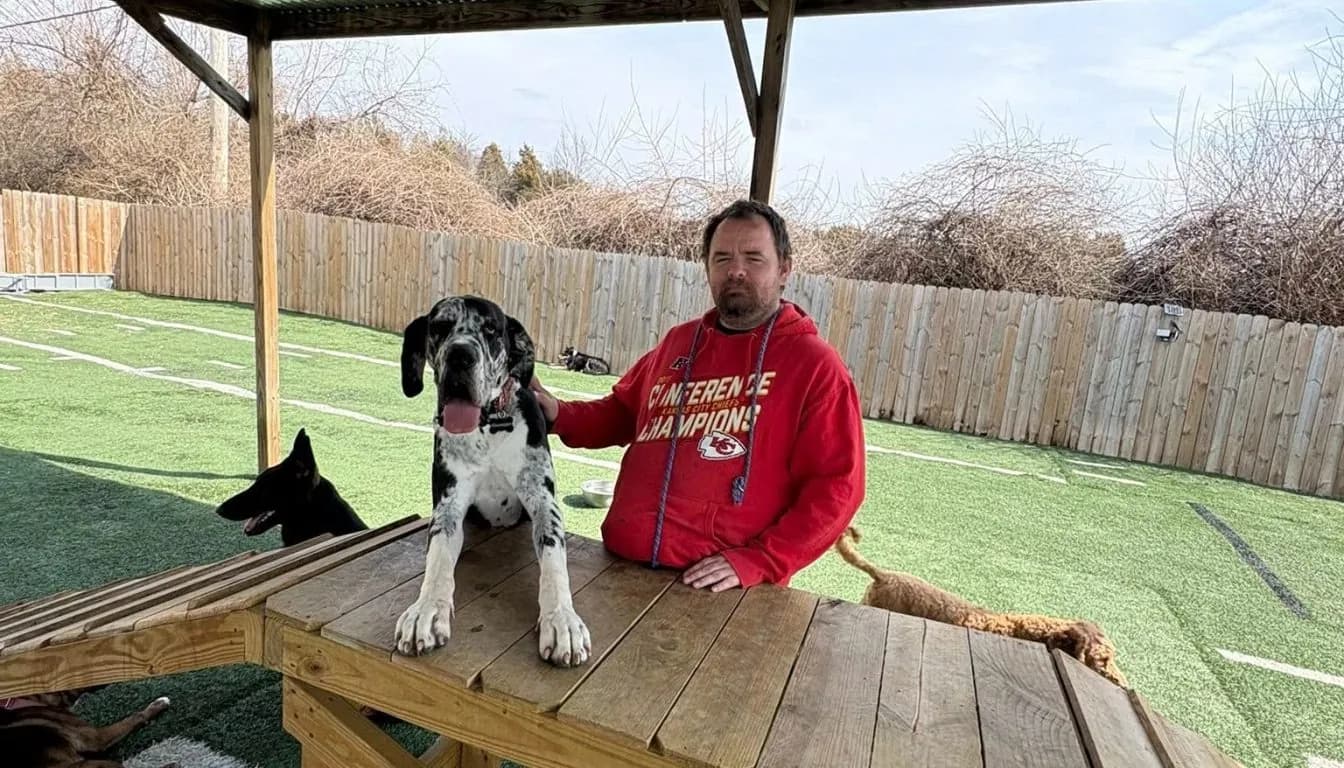
For many pet parents, one of the biggest worries during boarding isn’t sleep, playtime, or even separation—it’s food. You might find yourself asking, *“*What if my dog doesn’t eat?”
At Howliday Inn Pet Resort, this is a concern we hear often—and for good reason. A dog skipping meals can feel alarming, especially when you’re away. But here’s something important to understand: it’s actually quite common for dogs to eat less—or even refuse food—during the first phase of boarding.
Fortunately, this response is typically short-lived. With structured care, patience, and professional support, dogs adapt to their environment and resume their usual eating habits. Let’s explore the underlying causes and the thoughtful methods caregivers use to restore normalcy.
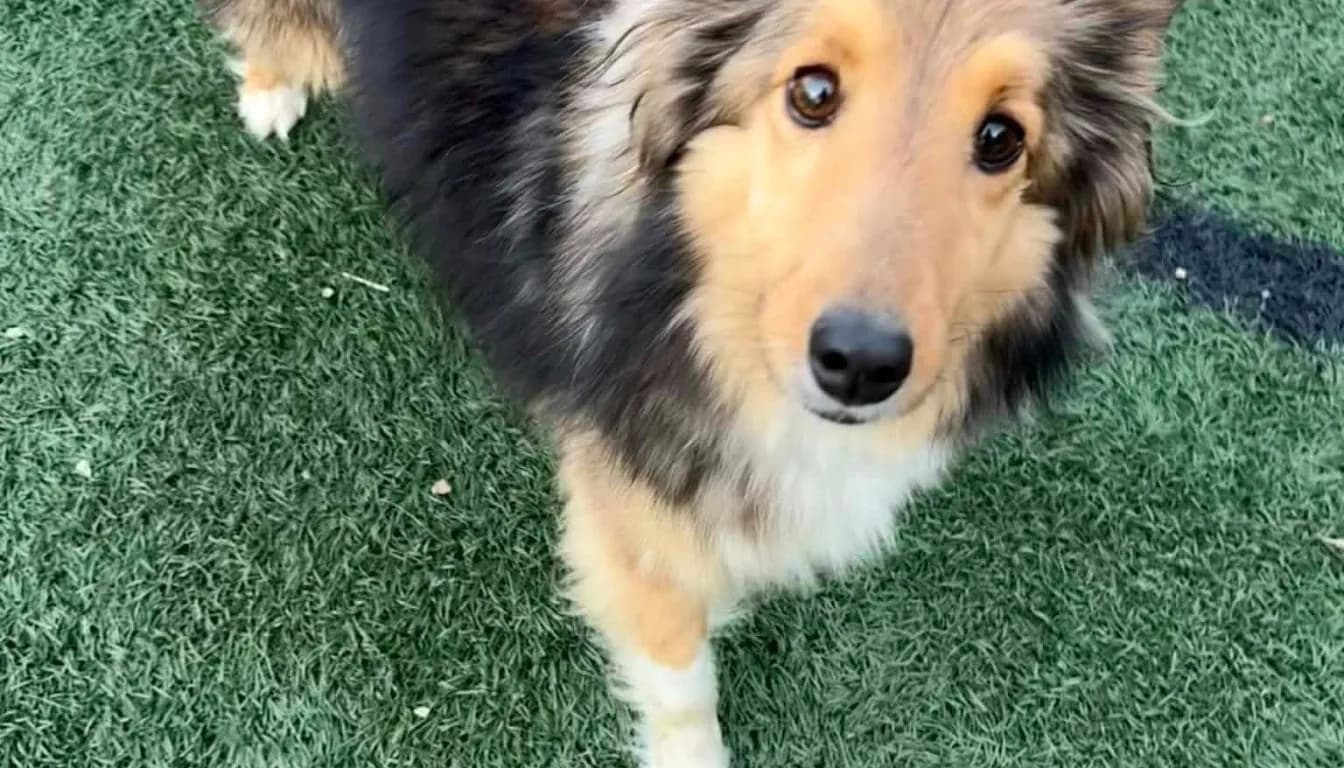
Understanding Why Dogs Stop Eating During Boarding
Dogs are deeply emotional creatures, even if they don’t express it the way humans do. Changes in environment, routine, and sensory input can influence their appetite more than you might expect.
- Environmental Stress and Adjustment
When a dog enters a new space, everything changes—the smells, sounds, people, and even the rhythm of the day. This sensory overload can temporarily suppress appetite.
It’s not that your dog dislikes the food. It’s that their mind is focused on understanding their new surroundings. At Howliday Inn, we often see dogs skip a meal or two simply because they’re still “processing” the change.
- Separation from You
Dogs form strong emotional bonds with their owners. When you’re suddenly not there, your dog may feel uncertain at first.
This doesn’t mean they’re in distress—but it does mean their priorities shift. Eating may take a backseat until they feel secure again.
- Change in Routine
Dogs thrive on consistency. Feeding times, locations, and even the way food is presented become part of their daily rhythm.
A new feeding schedule or different setting—even if the food is the same—can disrupt that pattern. Some dogs take time to adapt before resuming normal eating.
- Overstimulation or Excitement
Interestingly, not all appetite loss is due to stress. Some dogs are simply too excited.
With new activities, social interactions, and play sessions, food may seem less interesting in the moment. These dogs often eat better once they’ve burned off energy and settled down.
- Personality and Sensitivity
Just like humans, dogs have different personalities. Some are naturally adaptable, while others are more sensitive to change.
Shy, anxious, or highly attached dogs are more likely to skip meals initially. Confident dogs, on the other hand, may adjust more quickly.
What Experienced Caregivers Do Differently
At Howliday Inn Pet Resort, caregivers don’t panic when a dog skips a meal. Instead, they rely on experience, observation, and gentle techniques to help dogs feel comfortable enough to eat again.
- Allowing Time without Pressure
One of the most important things caregivers do is nothing—at least at first*.*
Forcing a dog to eat or hovering around them can increase anxiety. Instead, experienced staffs give dogs’ space and time to adjust naturally.
In many cases, once the dog feels safe, their appetite returns on its own.
- Maintaining Familiarity
Whenever possible, caregivers follow the feeding instructions you provide. This includes using the same food, portion sizes, and schedule your dog is used to at home.
Some pet parents also bring their dog’s usual bowl or a familiar item from home. These small touches can make a big difference in creating a sense of comfort.
- Creating a Calm Feeding Environment
A noisy or busy setting can discourage eating. That’s why meals at Howliday Inn are often given in quiet, low-stress areas.
Reducing distractions helps your dog focus on eating rather than staying alert to everything around them.
- Gentle Encouragement, Not Force
If a dog hesitates, caregivers may use subtle encouragement—like sitting nearby or offering reassurance—but without overwhelming the dog.
The goal is to build trust, not pressure. Dogs are far more likely to eat when they feel relaxed and in control.
- Adjusting Timing Strategically
Sometimes, it’s not about what your dog eats, but when.
Experienced caregivers may adjust feeding times based on your dog’s behavior. For example, offering food after a play session or walk can increase appetite naturally.
A tired, relaxed dog is often more willing to eat than one who alert or over is stimulated.
- Monitoring Without Overreacting
Caregivers closely track your dog’s eating habits, but they also understand what’s normal.
Missing one or two meals during the adjustment phase is usually not a cause for concern. However, staffs remain attentive and take action if appetite doesn’t return within a reasonable timeframe.
This balance of awareness and calmness is what sets professional care apart.
When Should You Be Concerned?
While temporary appetite loss is common, there are situations where closer attention is needed.
If a dog refuses food for an extended period, shows signs of lethargy, or displays unusual behavior, caregivers take additional steps. This may include modifying care routines or consulting with pet parents.
At Howliday Inn Pet Resort, communication is key. You’re kept informed if anything falls outside normal expectations.
How Boarding Can Actually Improve Eating Habits
Interestingly, some dogs return home with better eating habits than before.
The structured routine, regular activity and balanced environment at a pet resort can encourage healthier patterns. Dogs who are picky eaters at home sometimes become more consistent once they adapt to the boarding schedule.
What You Can Do Before Boarding
As a pet parent, there are a few simple ways to help your dog transition smoothly.
Keeps their routine consistent in the days leading up to boarding? Avoid sudden changes in diet. Pack their usual food and share detailed feeding instructions with the caregivers.
Most importantly, stay calm during drop-off. Dogs are highly perceptive and often mirror your emotions.
The First Meal Isn’t the Whole Story
It’s easy to focus on whether your dog eats right away, but the first meal doesn’t define the entire experience.
Many dogs that skip food on day one begin eating normally by the next meal or the next day. What matters more is how they settle overall—and that’s where professional care makes a difference.
Final Thoughts
So, why do some dogs refuse to eat during boarding?
Not because something is wrong—but because something is new.
A new environment, new routine, and temporary separation can all influence appetite. But with patience, understanding, and the right approach, most dogs adjust quickly.
At Howliday Inn Pet Resort, experienced caregivers focus on comfort first and food second—because when a dog feels safe, eating naturally follows.
The next time you worry about your dog skipping a meal, remember this: they’re not struggling—they’re adjusting. And in the hands of trained professionals, that adjustment turns into comfort, confidence, and eventually, a healthy appetite once again.