Appetite Changes During Boarding: Causes to Discuss and Details to Record
Take appetite changes during boarding seriously. Learn which observations to share with your veterinarian and how to prepare feeding and communication plans.
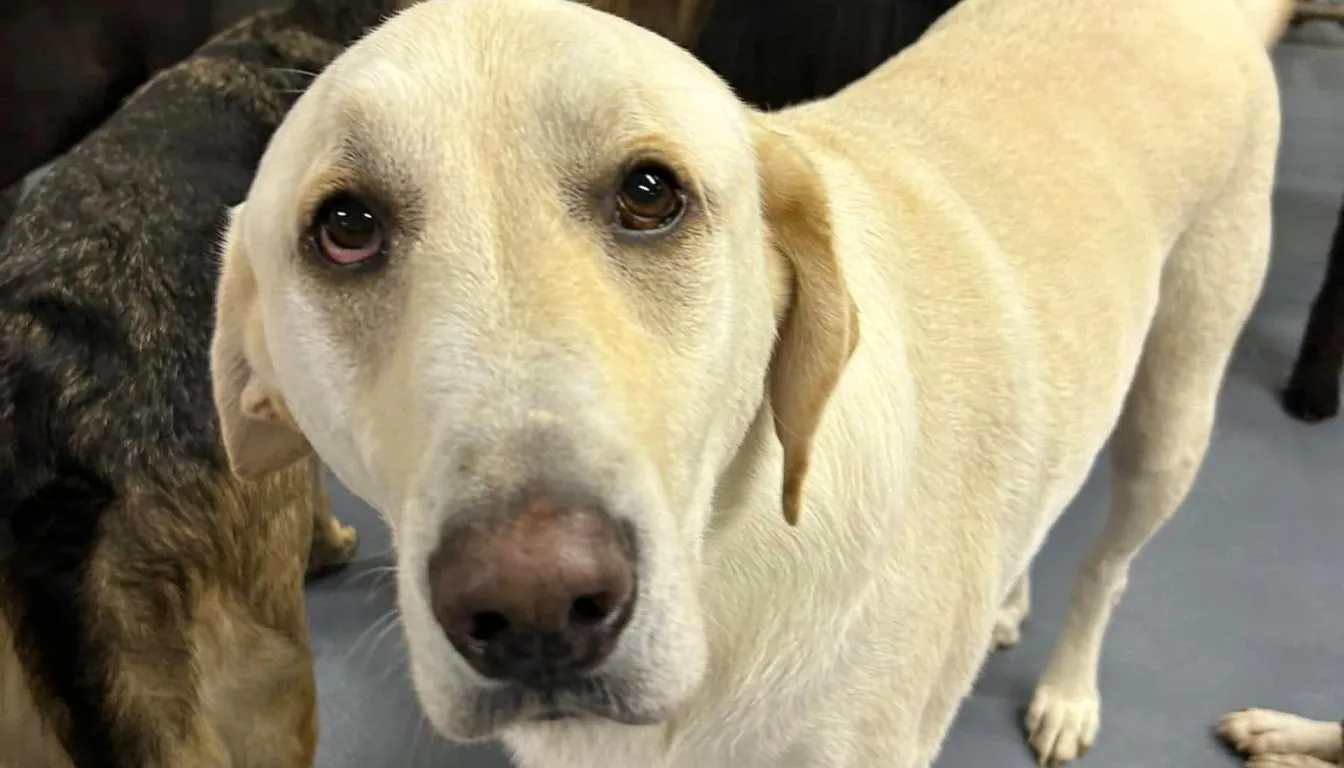
If your dog eats less during boarding, obtain a clear update and contact your veterinarian for individual advice. Do not assume the dog is simply excited, missing home or waiting to settle.
The practical goal is to understand what changed, communicate promptly and follow an appropriate plan.
Several Explanations Are Possible
The Schwarzman Animal Medical Center’s appetite guidance explains that environment or food changes can affect eating, while dental problems, illness and some medications are also possible causes. An abnormal change deserves attention, especially with other signs of illness.
A boarding setting does not identify the cause. Avoid describing reduced eating as proof that a dog is enjoying activities or needs more exercise.
Ask for Concrete Observations
Request the time and amount of each meal offered and eaten, drinking observations and any other changes. Ask when the dog last ate normally and whether food or instructions differed from home.
Keep observations separate from interpretations such as “just nervous.” Share the information, relevant health history and medication list with your veterinarian.
Use an Individual Veterinary Plan
Ask your veterinarian what should happen next and who should carry out the instructions. Confirm the care team has permission and contact details for that conversation.
Do not rely on a fixed one- or two-day adjustment period. Avoid changing prescribed medication, adding unfamiliar foods or attempting force-feeding without veterinary guidance.
Prepare Feeding Instructions Before a Stay
Record the usual food, portions, feeding arrangements, allergies, prescribed diet and relevant history. Ask how food should be supplied and stored.
Confirm that requested tasks and timing can be met. Agree on when reduced intake should be reported and who can authorize veterinary care if you are unreachable.
Keep Comfort and Assessment Separate
Ask about the feeding environment and which usual arrangements can be maintained. Bring only belongings the team permits.
A calmer space or familiar routine may be part of the care plan, but neither establishes why the dog is not eating. Do not substitute a reassurance about comfort for the agreed assessment and response.
Review Coverage and Backup Care
Howliday uses remote monitoring overnight. Ask when staff are on site and how a concern requiring hands-on help would be addressed.
If the veterinary plan requires care the facility cannot provide, arrange an appropriate alternative. Ordinary boarding should not be assumed to include clinical monitoring.
Use the Stay Record for Future Planning
At pickup, request the meal record and any relevant instructions or veterinary communication. Continue the agreed follow-up rather than treating collection as the end of the concern.
Before another stay, review what happened and what needs to change. Repeated boarding is not a guaranteed way to resolve an appetite problem.
Howliday Inn Pet Resort is at 4939 US-60, Rogersville, MO 65742, near Springfield. Review boarding and the FAQ, then call (417) 771-5221 to discuss suitability, instructions and contact arrangements.