How Can Boarding Facilities Safely Handle Dogs With Special Needs?
See how trained professionals provide individualized care, health monitoring, and comfort for dogs with unique needs. Learn more.
What Pet Owners Should Know About Finding the Right Care for Dogs Who Need Extra Attention
Every dog deserves a safe, comfortable, and enjoyable boarding experience.
However, for some pet owners, preparing for a boarding stay comes with additional concerns.
Perhaps their dog is a senior with mobility challenges.
Maybe they require daily medication.
Some dogs have chronic health conditions, dietary restrictions, anxiety-related behaviors, vision or hearing impairments, or recovery needs following a medical procedure.
In these situations, pet owners often wonder whether boarding is even a suitable option.
More importantly, they ask:
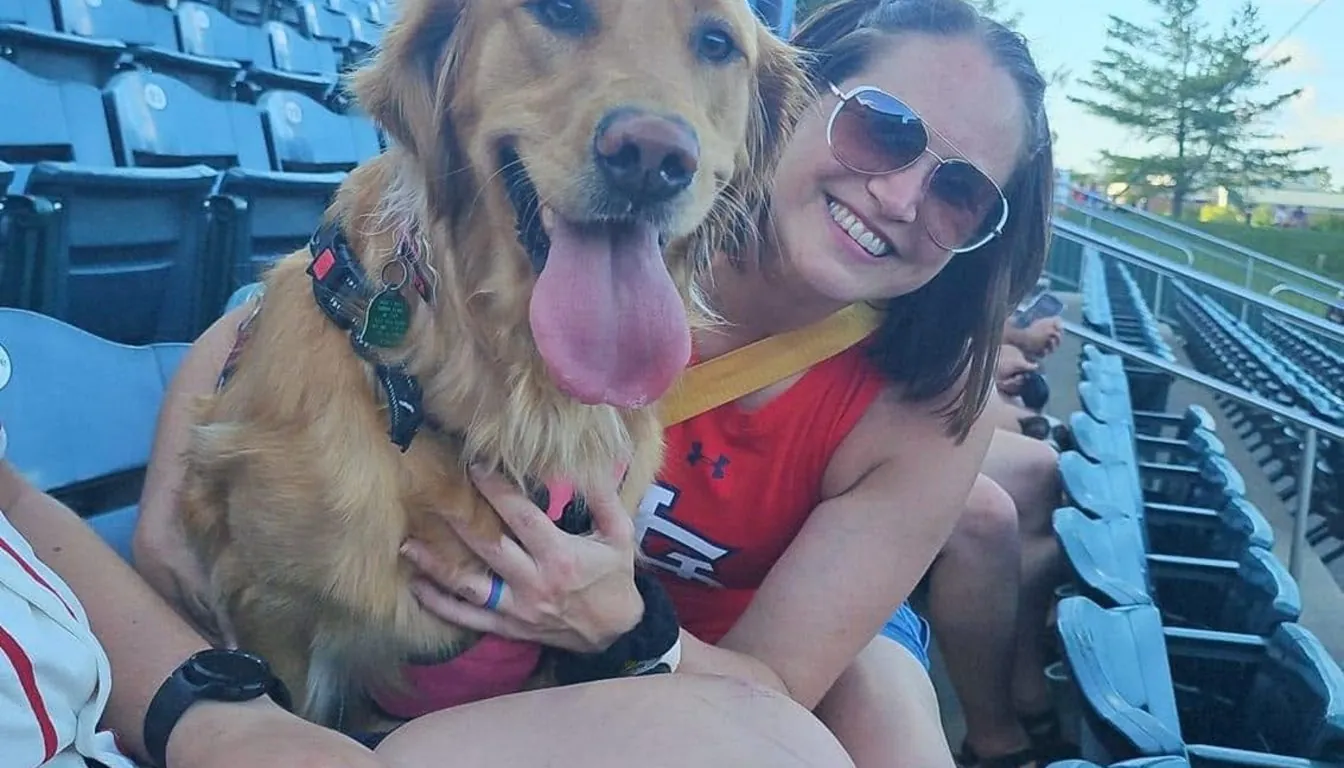
Can a boarding facility truly provide the level of care my dog needs?
The answer is yes—when the facility is properly equipped, adequately staffed, and committed to individualized care.
Dogs with special needs can absolutely enjoy safe, comfortable, and rewarding boarding experiences when their unique requirements are understood and properly supported.
At Howliday Inn Pet Resort in Rogersville, Missouri, we understand that no two dogs are exactly alike. While some guests arrive ready for nonstop activity and social interaction, others benefit from additional accommodations, personalized routines, and specialized attention.
The key is preparation, communication, and a thoughtful approach that places each dog’s well-being at the center of every decision.
Let’s explore how quality boarding facilities safely care for dogs with special needs and what pet owners should look for when selecting the right environment.
Understanding What “Special Needs” Really Means
The phrase “special needs” covers a wide range of circumstances.
Many people immediately think of serious medical conditions, but special needs can include much more than that.
Some dogs require medication at specific times each day.
Others have dietary sensitivities or food allergies.
Senior dogs may need mobility assistance or extra rest periods.
Certain dogs experience anxiety and benefit from additional emotional support.
Some have visual or hearing impairments that affect how they navigate unfamiliar environments.
Others may simply need a customized routine that differs from the average boarding guest.
The first step in providing safe care is recognizing that special needs vary significantly from dog to dog.
Effective boarding facilities avoid one-size-fits-all solutions and instead focus on understanding the individual pet.
Personalized Care Begins Before Arrival
One of the most important components of special-needs boarding happens long before a dog ever checks in.
Successful care starts with detailed communication between owners and caregivers.
Responsible facilities gather information about:
Details regarding their health history and ongoing care requirements.
The medications they currently take as part of their daily care.
The foods and feeding routines that help keep them healthy and comfortable.
Movement-related challenges.
Behavior patterns that help caregivers understand how to best support them.
Comfort preferences.
The people we should reach out to if an unexpected situation arises.
The medical care details that help us better understand and support your dog’s needs.
The everyday routines that help them feel comfortable and secure.
Understanding these details allows caregivers to develop a customized plan designed specifically for the dog’s needs.
The more information shared in advance, the smoother the boarding experience becomes.
For special-needs dogs, preparation is one of the most valuable safety tools available.
Medication Management Requires Precision
Many dogs with special needs rely on medication as part of their daily care routine.
Administering medication safely involves far more than simply remembering a schedule.
Caregivers must understand dosage requirements, timing instructions, administration methods, and any special precautions associated with each medication.
Experienced boarding professionals maintain organized systems that help ensure medications are provided accurately and consistently.
Attention to detail is critical.
Whether a dog requires daily supplements, prescription medications, or specialized treatments, proper medication management helps maintain continuity of care throughout the stay.
For pet owners, knowing their dog’s health routine will continue uninterrupted provides tremendous peace of mind.
Senior Dogs Often Benefit From Additional Support
As dogs age, their needs naturally change.
Senior dogs frequently require a different approach than younger, more active guests.
Mobility challenges, arthritis, reduced stamina, vision changes, hearing loss, and increased sensitivity to environmental stressors are all common considerations.
Quality boarding facilities recognize these differences and adapt accordingly.
Older dogs may benefit from quieter accommodations, softer resting areas, additional assistance, and modified activity schedules that prioritize comfort over intensity.
The goal is not to limit participation.
The goal is to create an environment where senior dogs can remain comfortable, engaged, and supported throughout their stay.
Thoughtful accommodations often make a significant difference in helping aging dogs feel secure and relaxed.
Dietary Needs Must Be Carefully Managed
Nutrition plays an essential role in overall health.
For dogs with dietary restrictions, consistency is particularly important.
Some dogs follow prescription diets.
Others have food allergies, sensitivities, or digestive conditions that require special attention.
A professional boarding facility should have clear procedures for handling individualized feeding plans.
Maintaining consistency helps minimize digestive upset and supports overall well-being.
For special-needs dogs, meal times are often more than routine—they are a critical part of ongoing health management.
Careful attention to dietary requirements helps ensure dogs remain comfortable throughout their stay.
Emotional Well-Being Matters Too
Special needs are not always physical.
Many dogs require emotional support to help them navigate new situations successfully.
Dogs with anxiety, fear-related behaviors, or previous traumatic experiences may need additional reassurance during boarding.
These dogs often benefit from predictable schedules, patient caregivers, gradual introductions, and environments designed to minimize unnecessary stress.
Experienced staff understands that emotional wellness is just as important as physical health.
Helping a nervous dog build confidence often involves consistency, observation, and compassionate care.
When emotional needs are addressed appropriately, many anxious dogs adjust remarkably well to boarding environments.
Safe Accommodations Make a Difference
The physical environment plays an important role in supporting dogs with special needs.
Safe boarding facilities consider how accommodations affect comfort, mobility, and accessibility.
For example, dogs with mobility limitations may benefit from spaces that reduce the need for excessive climbing or jumping.
Senior dogs may require easier access to resting areas.
Dogs recovering from medical procedures may need quieter accommodations that encourage relaxation.
Creating safe environments often involves thoughtful design choices that support each dog’s individual circumstances.
Comfort and safety should always work together.
Individualized Activity Plans Support Wellness
Exercise remains important for many dogs with special needs, but activity levels often need to be adjusted appropriately.
The right amount of movement can help support joint health, maintain muscle strength, encourage mental stimulation, and promote emotional well-being.
However, every dog’s requirements are different.
Some may enjoy gentle walks.
Others may benefit from short enrichment sessions.
Certain dogs may require additional rest periods between activities.
The safest boarding facilities evaluate each dog’s capabilities and develop individualized activity plans that support wellness without creating unnecessary strain.
This balanced approach helps dogs remain active while respecting their limitations.
Ongoing Observation Is Essential
One of the most important responsibilities of boarding staff is observation.
Dogs cannot verbally communicate discomfort or health concerns.
Caregivers must rely on behavioral cues, appetite changes, activity levels, body language, and other indicators to assess well-being.
For special-needs dogs, this level of observation becomes even more important.
Small changes may provide valuable information.
A reduced interest in food compared to their usual routine.
Not being as energetic as they typically are.
Noticeable changes in how easily they walk, stand, or navigate their surroundings.
Noticeable departures from their usual demeanor.
These observations allow caregivers to respond appropriately and, when necessary, communicate concerns promptly.
Attentive monitoring creates an additional layer of safety that helps protect each guest throughout their stay.
Building Trust through Consistency
Dogs thrive when they know what to expect.
Consistency is particularly valuable for dogs with special needs because predictable routines often reduce stress and support emotional comfort.
Consistent meal schedules.
Personalized medication support delivered with precision and care.
Personalized medication support delivered with precision and care.
Comforting interactions with caregivers they know and trust.
Relaxing periods designed to promote comfort and rejuvenation.
Together, these elements create stability.
When dogs experience consistent care, they often feel more secure and confident in their surroundings.
This stability contributes significantly to a successful boarding experience.
The Importance of Staff Training
Providing care for special-needs dogs requires more than good intentions.
It requires knowledge.
Professional training helps caregivers understand how to safely support dogs with a wide variety of physical, behavioral, and emotional needs.
From medication protocols and senior pet care to canine behavior and emergency preparedness, education plays a crucial role in maintaining high standards of care.
Well-trained staffs are better equipped to recognize concerns, respond appropriately, and provide the individualized attention special-needs dogs often require.
For pet owners, staff expertise is one of the most important factors to consider when selecting a boarding facility.
Communication Creates Confidence
The strongest boarding experiences are built on partnership.
Owners know their dogs best.
Caregivers bring professional expertise.
When these perspectives come together, dogs benefit.
Open communication allows facilities to understand individual needs while giving owners confidence that their concerns are being addressed.
Questions should always be welcomed.
Information should always be shared.
And care plans should always reflect the unique needs of the dog.
Transparency helps create trust and sets the foundation for a positive boarding experience.
Every Dog Deserves Individualized Care
Dogs with special needs are not defined by their challenges.
They are defined by their personalities, preferences, strengths, and unique qualities.
The best boarding facilities recognize this.
Rather than focusing solely on limitations, they focus on creating experiences that support comfort, safety, and happiness.
At Howliday Inn Pet Resort in Rogersville, Missouri, we believe every dog deserves care that reflects their individual needs. Whether a guest requires medication management, mobility accommodations, emotional support, dietary monitoring, or simply a little extra attention, our goal is to provide an environment where they can feel comfortable, secure, and genuinely cared for.
Because special-needs dogs deserve more than supervision.
They deserve understanding.
They deserve compassion.
And above all, they deserve the confidence that comes from being cared for by people who treat them like family.
When those elements come together, boarding becomes more than a temporary stay—it becomes a positive experience built on trust, comfort, and exceptional care.
Local Dog Boarding Support Near Springfield, Missouri
For pet parents comparing special needs dog boarding, Howliday Inn Pet Resort in Rogersville, Missouri serves families from Springfield, Ozark, and surrounding communities with attentive boarding, daycare, training, grooming, socialization, and enrichment-focused care.