
The Hidden Training Mistakes Most Dog Owners Don’t Realize They’re Making
Small training mistakes can cause big behavior problems. Learn what many dog owners get wrong and how to train your dog more effectively.
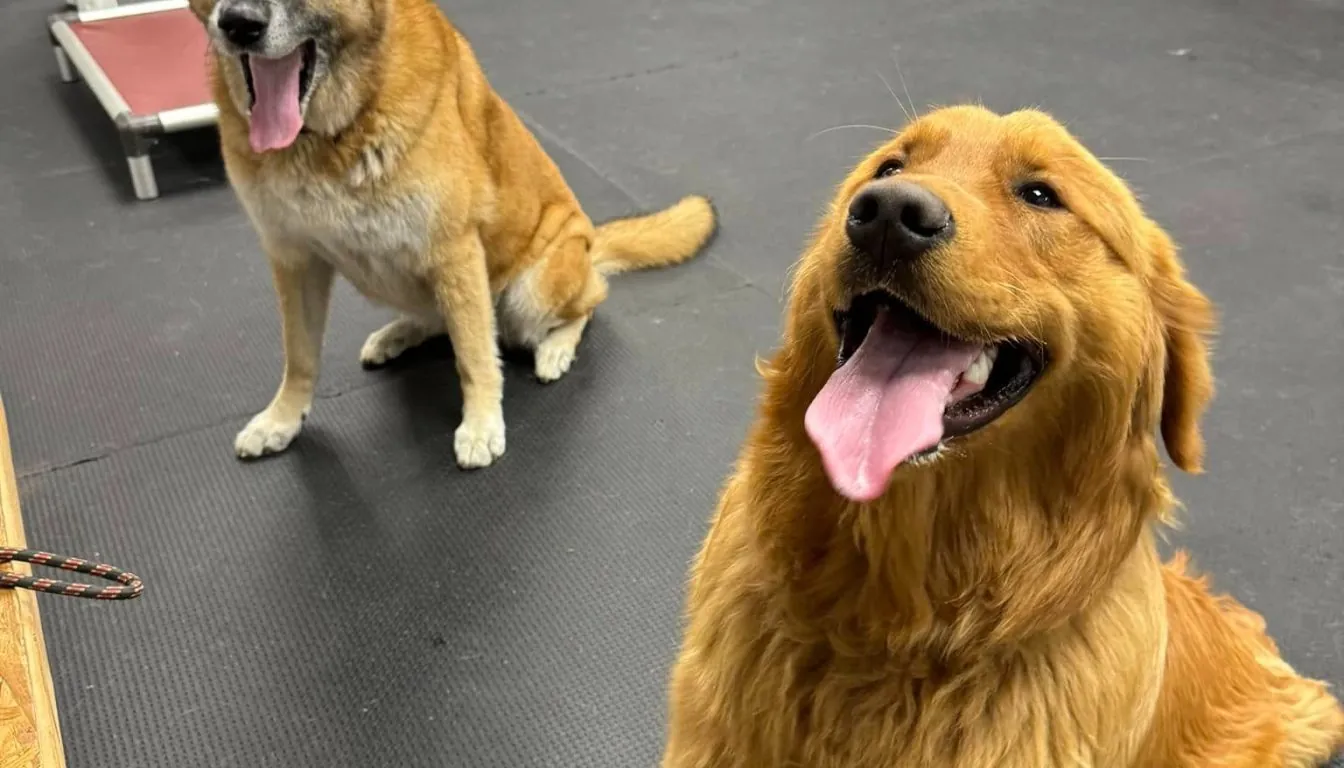
Training a dog is one of the most rewarding parts of being a pet owner. It builds communication, strengthens the bond between humans and their pets, and helps dogs become well-mannered companions. Most owners genuinely want their dogs to behave well, listen to commands, and interact politely with people and other animals. However, despite good intentions, many dog owners unknowingly make small training mistakes that can slow progress or even create behavioral issues.
These mistakes are often subtle and easy to overlook. They usually come from misunderstandings about how dogs learn rather than from lack of effort. Dogs do not interpret instructions the same way humans do, and when training methods are inconsistent or unclear, confusion can develop.
Professional trainers often encounter these situations when working with families and their pets. At places like Howliday Inn Pet Resort, trainers frequently help owners identify hidden training mistakes and replace them with more effective strategies. Once these issues are corrected, many dogs begin showing noticeable improvements in behavior and responsiveness.
Understanding the most common training mistakes can help owners create clearer communication with their dogs and build stronger, more successful training routines.
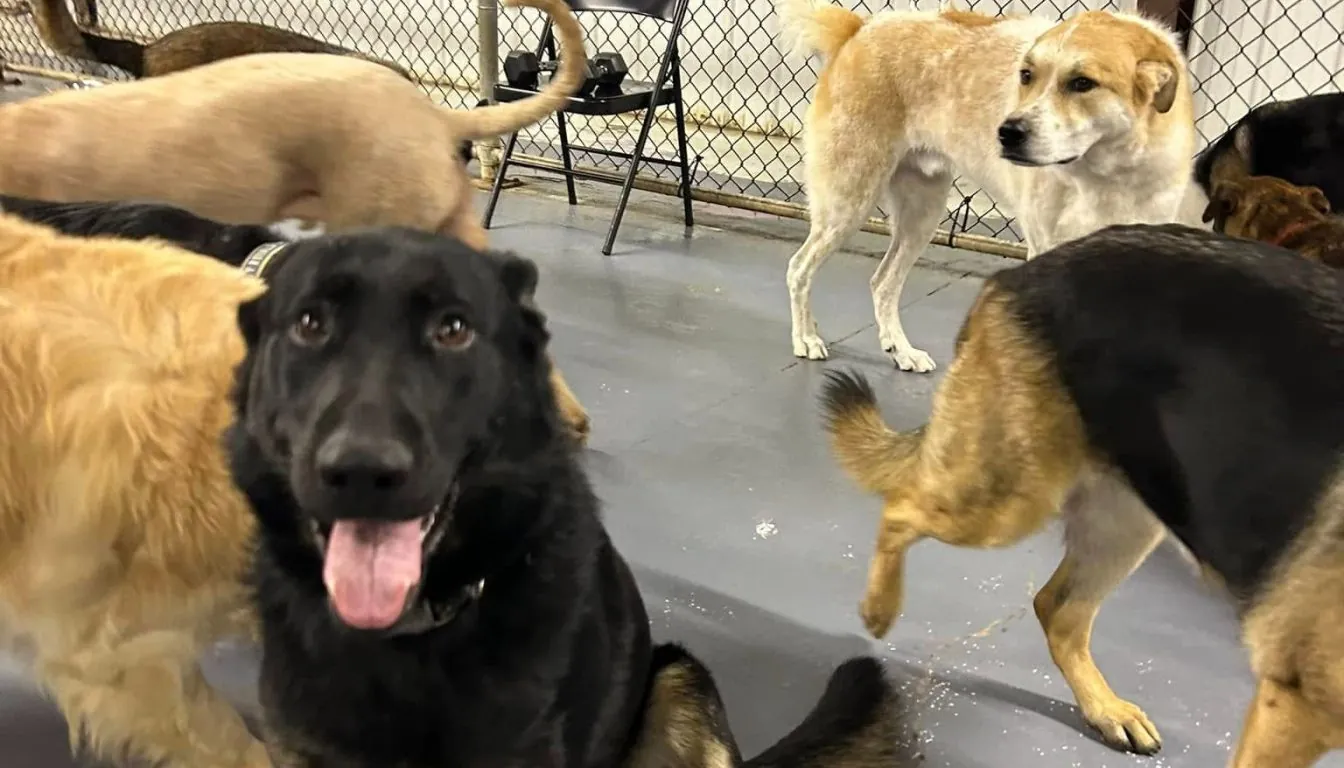
Inconsistency in Commands and Expectations
One of the most common mistakes dog owners make is inconsistency. Dogs learn through repetition and patterns, so they rely heavily on predictable cues and responses.
If a dog hears different commands for the same behavior, confusion can quickly develop. For example, one person might say “down,” another might say “lie down,” and someone else might say “off.” While humans understand that these phrases mean the same thing, dogs may not make that connection.
Inconsistency can also occur when household rules change frequently. A dog that is sometimes allowed on the couch but other times scolded for it cannot easily understand the expectation.
Professional trainers emphasize the importance of using the same commands and enforcing the same rules consistently. When everyone in the household follows the same guidelines, dogs learn much more quickly.
Rewarding Unwanted Behavior without Realizing It
Many owners accidentally reinforce behaviors they are trying to stop. Dogs repeat behaviors that produce rewarding outcomes, even if the reward is unintended.
For example, when a dog jumps on someone, the person may respond by talking to the dog, pushing them away, or laughing. From the dog’s perspective, this reaction is still attention, which can feel rewarding.
Similarly, if a dog barks to get attention and the owner eventually responds, the dog learns that barking works.
Professional trainers often explain that dogs focus on results. If a behavior leads to attention, treats, playtime, or access to something interesting, the dog is more likely to repeat it.
Replacing these accidental rewards with reinforcement for calm behavior can dramatically improve training outcomes.
Expecting Dogs to Generalize Commands Automatically
Many owners assume that once a dog learns a command, they will automatically follow it in any environment. However, dogs do not naturally generalize commands the way humans do.
A dog that reliably responds to “sit” in the kitchen may struggle to perform the same command at the park or during a walk. The change in environment introduces new sights, smells, and distractions that can overwhelm the dog’s focus.
Professional trainers understand that commands must be practiced in different settings for dogs to truly master them. Gradually introducing distractions helps dogs learn that commands apply everywhere, not just at home.
Training Sessions That Are Too Long
Training sessions that last too long can lead to frustration for both dogs and owners. Dogs have limited attention spans, especially when learning new behaviors.
When sessions continue for too long, dogs may become bored, distracted, or tired. This can cause them to stop responding to commands, which owners sometimes interpret as stubbornness.
In reality, the dog may simply need a break.
Short and engaging training sessions are far more effective. Practicing commands for five to ten minutes at a time helps maintain focus and keeps the dog motivated.
Professional trainers often recommend multiple short sessions throughout the day rather than one long training period.
Repeating Commands Too Many Times
Another hidden mistake occurs when owners repeat commands over and over. When a dog hears “sit” several times before responding, they may learn that the command does not need to be followed immediately.
Over time, the dog begins to wait until the command has been repeated multiple times before acting.
Instead of repeating commands, trainers encourage owners to give the command once and guide the dog toward the correct behavior if necessary.
When the dog responds correctly, they should receive praise or a reward. This teaches the dog that responding quickly leads to positive outcomes.
Inconsistent Timing of Rewards
Timing plays a critical role in training. Dogs connect rewards with behaviors that occur immediately before the reward appears.
If a treat or praise comes too late, the dog may associate it with the wrong behavior. For example, if a dog sits but then stands up before receiving a reward, the dog may believe the reward was for standing rather than sitting.
Professional trainers emphasize rewarding dogs at the exact moment they perform the desired behavior. This clear timing strengthens the connection between the action and the reward.
Over time, dogs learn exactly which behaviors lead to positive reinforcement.
Ignoring Mental Stimulation
Training is not only about physical activity and obedience commands. Dogs also need mental challenges to stay engaged and balanced.
When dogs lack mental stimulation, they may develop unwanted behaviors simply because they are bored. Chewing furniture, barking excessively, or digging may all result from insufficient mental engagement.
Incorporating puzzle toys, scent games, and learning exercises can help stimulate a dog’s mind. These activities encourage problem-solving and focus, which often improves behavior in other areas.
Structured environments such as Howliday Inn Pet Resort often include enrichment activities that challenge dogs mentally while reinforcing positive behaviors.
Moving Too Quickly Through Training Steps
Another common mistake is expecting dogs to learn too quickly. When owners rush through training steps, dogs may become confused or overwhelmed.
Learning new behaviors requires gradual progress. Each step should build on the previous one, allowing the dog to gain confidence and understanding.
For example, teaching a reliable recall command often begins in a quiet indoor space before moving to outdoor environments with distractions.
Professional trainers carefully introduce challenges at a pace that allows the dog to succeed.
Misinterpreting Dog Body Language
Dogs communicate primarily through body language. Subtle signals such as tail position, ear movement, or body posture can reveal whether a dog feels confident, nervous, or overwhelmed.
Owners who overlook these signals may unintentionally push their dogs into stressful situations. For example, forcing a nervous dog to approach unfamiliar people may increase anxiety rather than build confidence.
Learning to recognize these signals allows owners to adjust their training approach and create more positive experiences.
Trainers often teach owners how to observe these cues so they can respond appropriately.
Lack of Patience
Perhaps the most common hidden training mistake is expecting immediate results. Dogs learn through repetition and consistent practice, and meaningful progress often takes time.
When owners become frustrated or impatient, training sessions may become tense or inconsistent. Dogs can sense this frustration, which may reduce their willingness to participate.
Patience is essential in every stage of training. Celebrating small improvements and maintaining a calm attitude helps create a positive learning environment.
Over time, these small successes lead to lasting behavioral improvements.
The Role of Professional Guidance
Sometimes the best way to overcome hidden training mistakes is to seek professional support. Experienced trainers can observe a dog’s behavior and identify patterns that owners may not notice.
At facilities like Howliday Inn Pet Resort, trainers work with dogs in structured environments that reinforce consistent routines and positive learning experiences.
These programs help dogs practice obedience, social skills, and impulse control under professional guidance.
Owners also benefit from learning effective training techniques that they can continue using at home.
Final Thoughts
Dog training is a journey that requires patience, understanding, and clear communication. While most owners are dedicated to helping their dogs succeed, hidden training mistakes can sometimes slow progress without anyone realizing it.
By recognizing these common challenges—such as inconsistency, accidental reinforcement, unclear commands, and rushed training—owners can make small adjustments that lead to significant improvements.
Professional environments like Howliday Inn Pet Resort demonstrate how structure, consistency, and positive reinforcement can transform a dog’s behavior.
With the right approach, training becomes more than teaching commands. It becomes a process of building trust, communication, and confidence between dogs and their owners. When those elements come together, dogs can truly thrive as happy, well-behaved companions.