The “Doorbell Disaster”: Training Your Dog to Stop Going Crazy When Guests Arrive
Learn how to stop barking, jumping, and doorbell chaos with proven dog training techniques that help your dog stay calm when guests arrive.
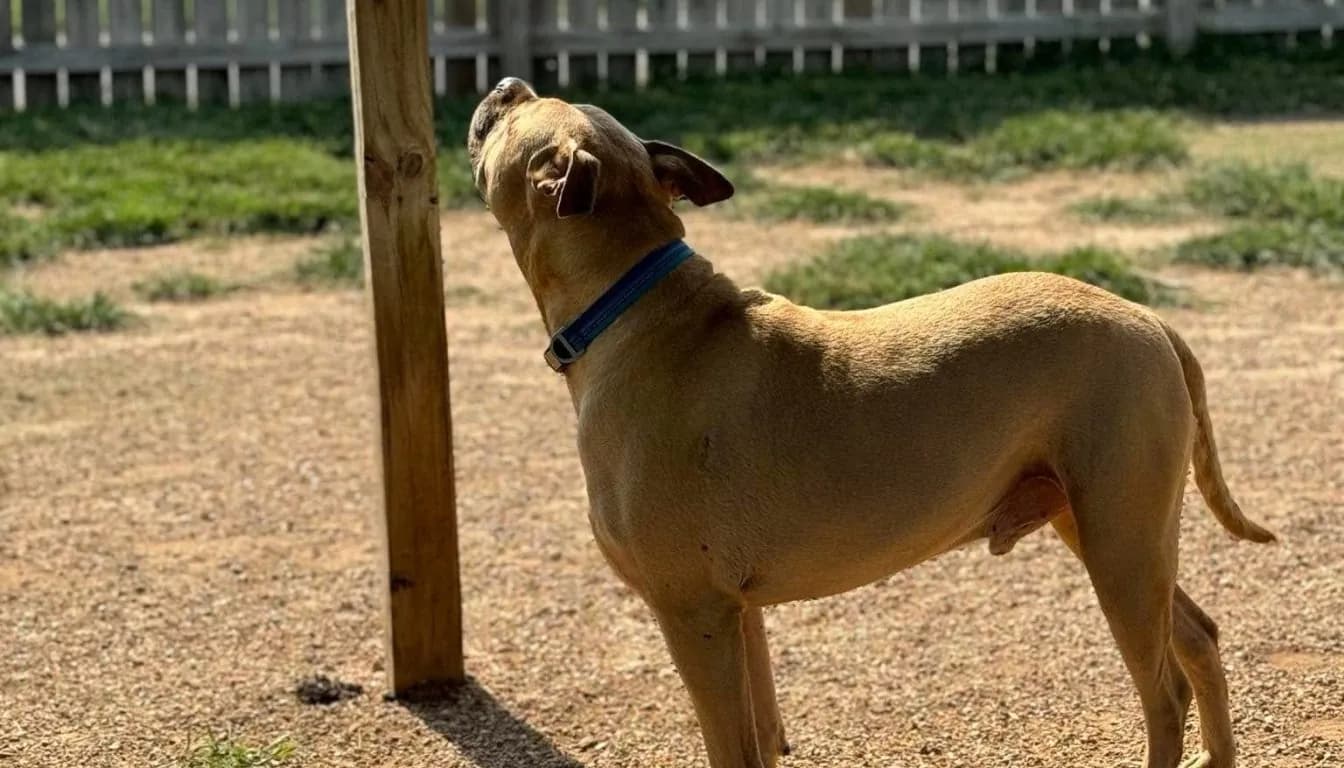
For many dog owners, the sound of the doorbell can trigger a familiar and chaotic scene. The moment the bell rings, barking erupts, paws race toward the door, and excitement levels skyrocket. Some dogs jump on visitors, while others bark uncontrollably or spin in circles with overwhelming enthusiasm. What should be a simple greeting quickly turns into what many owners jokingly call the “doorbell disaster.”
While this behavior is common, it can also be stressful for both the household and visiting guests. Fortunately, the problem is rarely permanent. With the right training approach and a better understanding of canine behavior, dogs can learn to stay calm when someone arrives at the door.
Professional trainers often encounter this issue because it touches on several natural instincts in dogs: territorial awareness, excitement, and curiosity. At structured environments like Howliday Inn Pet Resort, trainers regularly work with dogs to develop calm greeting behaviors that make social situations far more enjoyable for everyone involved.
Understanding why dogs react so intensely to the doorbell is the first step toward solving the problem.
Why the Doorbell Triggers Such Intense Reactions
To humans, a doorbell is simply a signal that someone is outside. For dogs, however, it represents something much more stimulating.
Dogs have strong instincts related to territory and social interaction. When the doorbell rings, it often signals that a new person is approaching their home territory. This activates their alert system, prompting barking or rushing to investigate.
In many cases, excitement plays an even larger role than territorial behavior. Dogs associate the doorbell with something interesting happening—someone new to greet, attention from their owners, or a burst of activity in the home.
Over time, this association becomes stronger. Each time the bell rings and the dog rushes to the door, the behavior reinforces itself. The dog begins to expect excitement whenever that sound occurs.
Without proper training, the doorbell becomes a trigger for an automatic reaction rather than a calm response.
The Role of Reinforcement in Doorbell Behavior
Dogs repeat behaviors that lead to rewarding outcomes. When a dog barks and runs toward the door, several things may unintentionally reinforce that behavior.
The door opens, the dog sees a new person, and attention increases dramatically. Even if owners try to calm the dog or push them away, the dog is still receiving interaction and stimulation.
From the dog’s perspective, their reaction successfully led to an exciting outcome. As a result, they are likely to repeat the same behavior the next time the doorbell rings.
Breaking this cycle requires changing the dog’s association with the doorbell so that calm behavior becomes the behavior that earns rewards.
Understanding Excitement versus Anxiety
Not all dogs react to the doorbell for the same reason. Some dogs bark out of excitement because they enjoy greeting visitors. Others may feel anxious or protective when someone approaches their home.
Excited dogs tend to jump, wag their tails energetically, and rush toward guests. Anxious or protective dogs may bark more intensely, appear tense, or position themselves between the door and their owners.
Recognizing the underlying motivation helps determine the best training strategy. In many cases, the solution involves teaching the dog a calm alternative behavior that replaces the chaotic response.
Teaching Dogs a Calm Response
One of the most effective ways to manage doorbell behavior is to teach the dog exactly what to do when the bell rings. Instead of simply trying to stop barking or excitement, trainers focus on redirecting the dog’s energy toward a specific task.
For example, dogs can be trained to move to a designated spot—such as a mat or bed—when they hear the doorbell. This gives them a clear action to perform instead of reacting impulsively.
At first, this training begins without actual visitors. Owners may ring the bell themselves or play a recorded doorbell sound while guiding the dog to their designated spot.
When the dog calmly moves to the spot, they receive praise or a reward. Repeating this process helps the dog associate the doorbell with a calm and structured routine rather than uncontrolled excitement.
Over time, the dog learns that remaining calm leads to positive outcomes.
The Importance of Consistency
Consistency plays a critical role in doorbell training. Dogs learn through repetition and predictable patterns. If the training process changes from day to day, the dog may become confused.
Every time the doorbell rings, the same routine should occur. The dog should be guided to their designated spot and rewarded for calm behavior.
All members of the household should follow the same approach so the dog receives clear and consistent signals.
When expectations remain consistent, dogs learn much more quickly.
Practicing Before Real Guests Arrive
Training should begin in a controlled environment before introducing real visitors. Practicing with simulated doorbell sounds helps the dog learn the routine without the added excitement of a new person entering the home.
Once the dog responds reliably during practice sessions, the next step is to introduce controlled guest arrivals. Friends or family members can help by acting as visitors during training exercises.
These practice scenarios allow the dog to learn that calm behavior remains the expectation even when real guests are present.
Gradual exposure helps prevent the dog from becoming overwhelmed.
Managing the Environment
Sometimes simple environmental adjustments can make the training process easier. For example, keeping the dog on a leash when guests arrive can help owners maintain control while reinforcing calm behavior.
In some situations, temporarily placing the dog in another room while guests enter may help reduce initial excitement. Once the environment becomes calmer, the dog can be reintroduced and rewarded for polite behavior.
These strategies are not meant to replace training but rather to support the learning process.
Structured environments like Howliday Inn Pet Resort often use similar methods when helping dogs practice polite greetings in social settings.
The Power of Positive Reinforcement
Positive reinforcement is one of the most effective tools in dog training. Rewarding calm behavior encourages dogs to repeat that behavior in the future.
When a dog hears the doorbell and remains calm, they should immediately receive praise, treats, or affection. This reinforces the idea that calmness leads to positive outcomes.
Punishing or scolding dogs for barking, on the other hand, can sometimes increase anxiety or confusion. Instead of learning what behavior is desired, the dog may simply become more stressed about the situation.
Positive reinforcement focuses on guiding the dog toward the correct behavior rather than punishing mistakes.
Teaching Guests How to Help
Visitors can also play an important role in successful doorbell training. When guests enter the home, they should avoid immediately giving attention to an overly excited dog.
Ignoring the dog until they settle down teaches the dog that calm behavior is the key to receiving interaction.
Once the dog relaxes, guests can greet them calmly and gently. This reinforces the idea that polite behavior leads to positive social experiences.
Clear communication between owners and guests helps maintain consistent expectations.
Why Structured Social Experiences Matter
Dogs that regularly interact with people and other dogs in structured environments often develop better greeting behaviors. Exposure to different social situations helps them learn how to manage excitement.
At facilities like Howliday Inn Pet Resort, dogs experience supervised social interactions that encourage calm communication and polite greetings. These experiences help reinforce behaviors that owners can continue practicing at home.
Regular socialization helps dogs build confidence and reduces overreactions when encountering new people.
Patience Is Essential
Changing doorbell behavior does not happen overnight. Dogs form strong habits, and it takes time to replace those habits with calmer responses.
Owners should expect gradual progress rather than instant transformation. Each successful greeting builds the dog’s understanding and confidence.
Celebrating small improvements helps maintain motivation throughout the training process.
With patience and consistency, most dogs can learn to respond calmly when guests arrive.
Creating a Welcoming Home for Everyone
A well-trained dog that greets guests politely makes the home environment more enjoyable for everyone. Visitors feel comfortable, owners feel proud of their dog’s behavior, and the dog experiences positive interactions rather than stress or correction.
Training also strengthens the bond between dogs and their owners. As communication improves, dogs become more responsive and confident in social situations.
The doorbell no longer signals chaos but instead becomes a cue for calm and controlled behavior.
Final Thoughts
The “doorbell disaster” is one of the most common challenges dog owners face, but it is also one of the most manageable with the right approach. Understanding why dogs react so strongly to the doorbell allows owners to replace chaos with structure and calmness.
Through consistent routines, positive reinforcement, and gradual practice, dogs can learn to stay relaxed when visitors arrive.
Professional environments like Howliday Inn Pet Resort highlight the importance of structured training and social experiences in helping dogs develop polite greeting behaviors.
With patience and the right training techniques, the once chaotic moment of a ringing doorbell can become just another calm and predictable part of daily life—for both dogs and their owners.