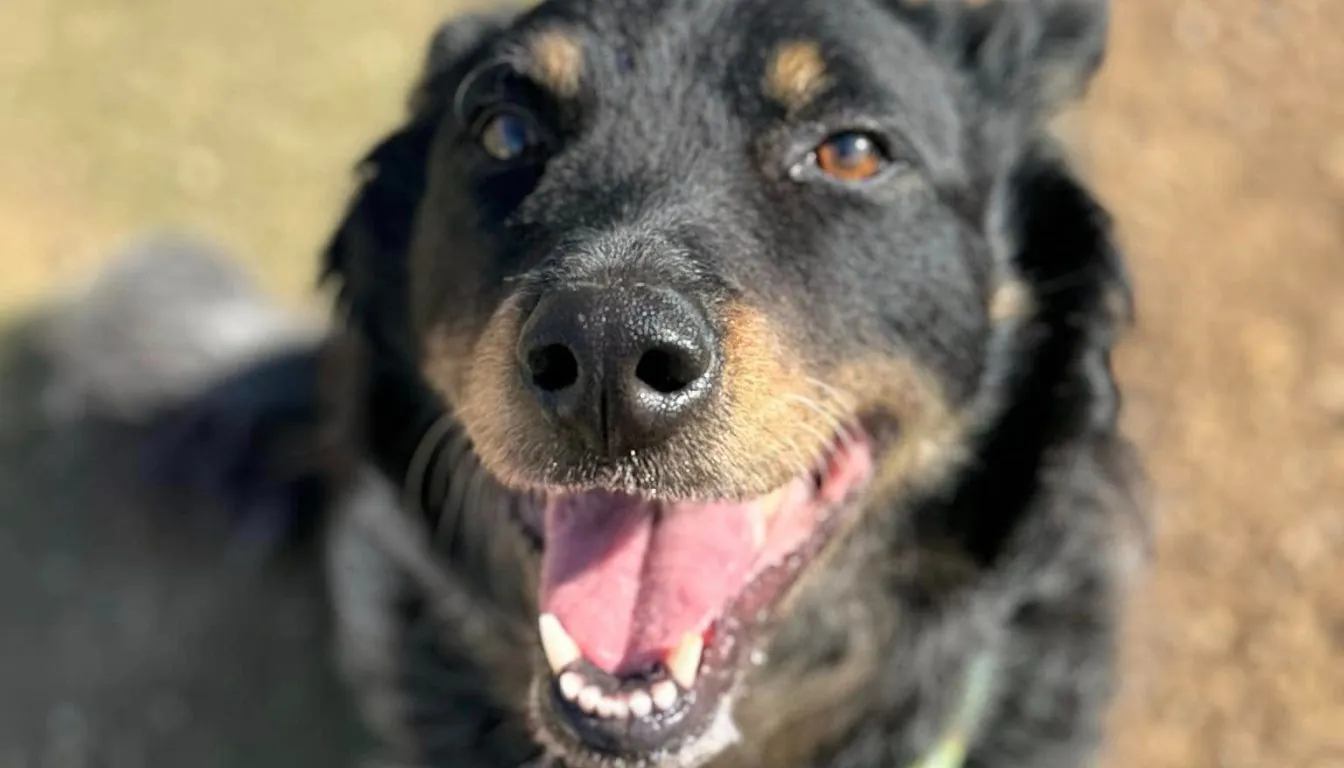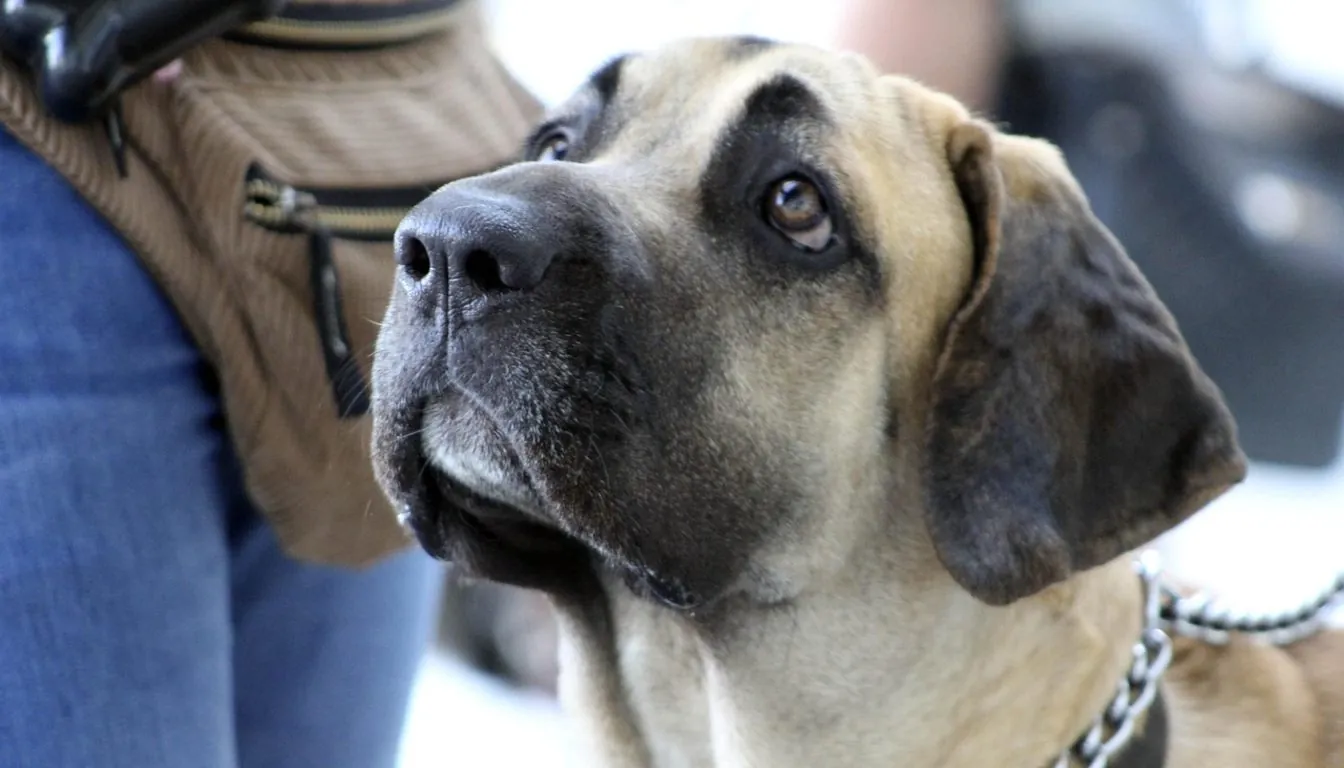
Reading Dog Body Language: Context Before Conclusions
Observe a dog’s whole body and situation rather than relying on a tail wag or single signal, and share concerns before boarding or training.

Body language is useful information, but a single movement is not a reliable translation of exactly what a dog feels or will do next. Watch the whole dog and what is happening around them.
Use observations to make space, pause an interaction and seek guidance when needed. Do not use a signal chart as permission to approach a dog that may be uncomfortable.
Read Signals Together
The AKC’s body-language guide emphasizes that signals work together. Tail position, posture, facial expression and movement should be considered as a whole.
A wag does not by itself establish friendliness. Raised hair can reflect arousal without identifying a single emotion or motive.
Look at Posture and Movement
Notice whether the dog is loose or stiff, approaches or moves away, and how that changes as the situation develops. Record what you see instead of labeling a posture dominant or guilty.
Give the dog room to move away. Do not corner them to obtain a clearer view of their response.
Consider the Face in Context
The AKC guide discusses eye shape, gaze and mouth movements alongside the rest of the body. Licking or yawning may be relevant in a stressful setting, but neither is a diagnosis on its own.
Ask a qualified professional to review patterns that concern you. A change in facial expression or handling tolerance can also be a reason to contact your veterinarian.
Pause When an Interaction Is Difficult
If the dog moves away, freezes, growls or snaps, stop trying to complete the greeting or handling task and create space safely. Do not provoke a repeat to check your interpretation.
For bite risk or repeated concerning behavior, seek individual assessment and a management plan. A quiet dog should not automatically be considered safe to touch.
Keep Observation Separate From a Safety Guarantee
A familiar dog still needs appropriate supervision around children and visitors. Do not rely on a wag, a trained sit or a previous friendly encounter as the only safeguard.
Review the family-training guide for adult responsibilities and suitable participation.
Share Useful Information With a Care Provider
Before boarding or daycare, describe handling preferences, known concerns and any incidents. Tell the team what you have observed without assuming the facility can meet every possible need.
Ask how suitability and changes during care will be discussed. Body-language awareness supports observation; it cannot guarantee a stress-free stay.
Ask for Guidance
Explore private lessons or classes with Standing Obeytion Dog Training at Howliday Pet Resort in Rogersville, near Springfield. Call (417) 771-5221 to discuss the goal, suitability, methods and current arrangements.