

Training3 min read
Why Your Dog May Behave Differently Around You
Compare behavior with different handlers using specific tasks, cues, settings and coached practice without blaming affection or lack of authority.
Tail-wagging tales
Page 3 of 9.
Compare behavior with different handlers using specific tasks, cues, settings and coached practice without blaming affection or lack of authority.

Build practical daily routines and clear training goals while preserving essential care and avoiding rigid rules or promises that structure fixes every concern.

Compare daycare and home behavior through specific observations, routines, group fit and training goals without treating the second dog effect as a diagnosis.

Investigate missed cues without blaming the dog or owner, using clear tasks, reward timing, practice records and individual coaching.
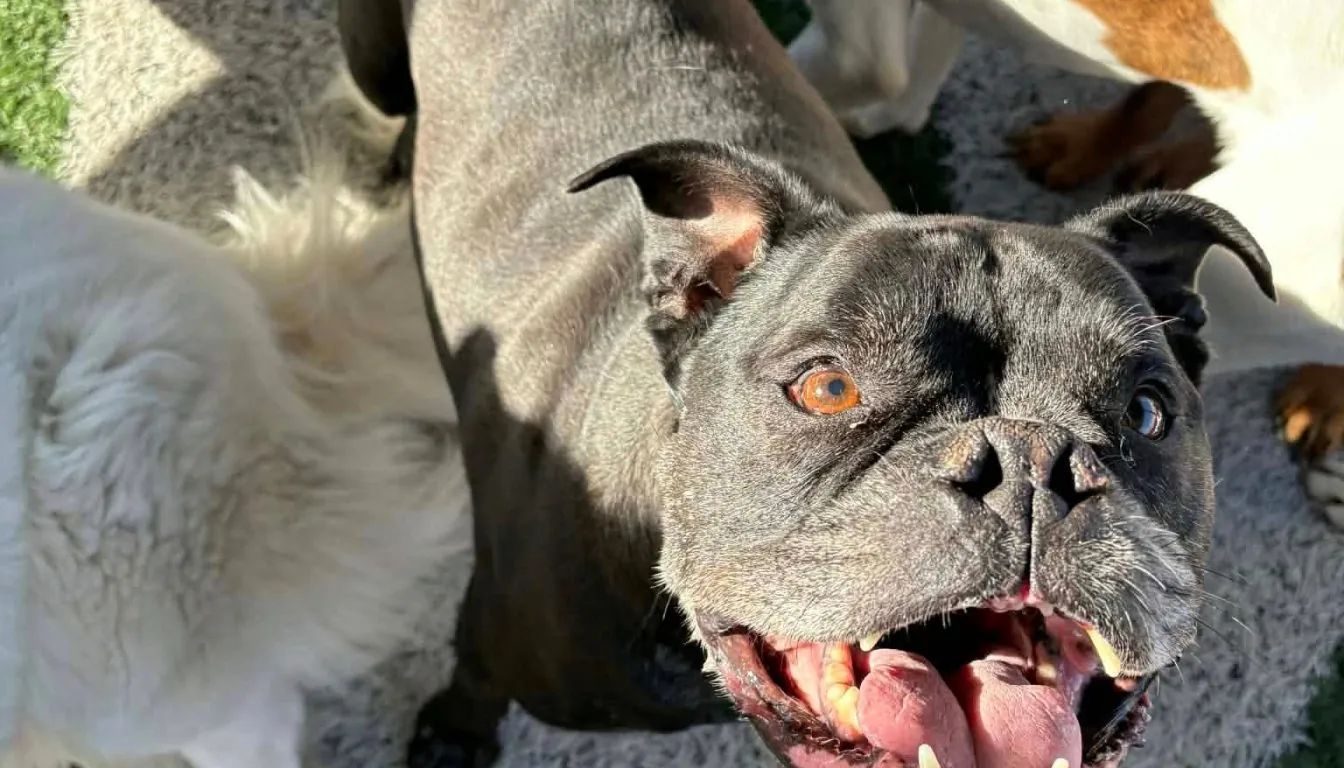
Subtle stress signs to watch for after boarding, why some dogs come home out of sorts, when to call your vet and how to plan a better next stay.

Look beyond luxury branding to evaluate accommodation, agreed care, supervision, activities, cleaning, communication and the complete quote.

Use the social-battery metaphor to discuss play, rest and daycare suitability, while recognizing that changes in behavior may need veterinary advice.

Understand the difference between ordinary boarding and formal training, and plan clear goals, methods, owner practice and appropriate care.

Plan boarding around your dog’s health, activity, handling and social needs rather than assuming every member of a breed needs the same routine.

Consider senior dog boarding based on current needs, medication, mobility, overnight care and veterinary guidance, with a practical preparation checklist.
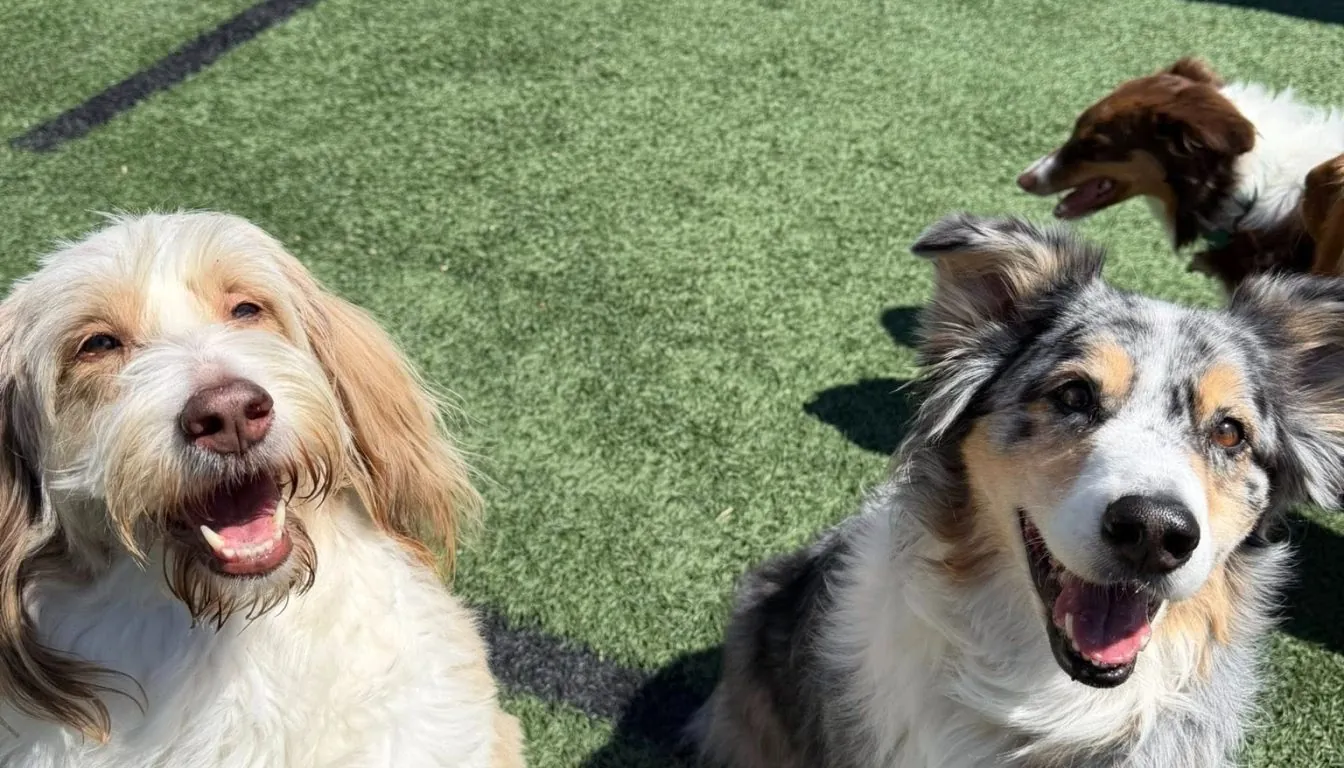
Know what to ask when your dog eats less at boarding: meal records, other changes, veterinary advice, care instructions and a clear follow-up plan.

Plan care for a dog who struggles with boarding: review the history, consult appropriate professionals and confirm supervision, alternatives and backup pickup.

Plan for nighttime crying during boarding with clear overnight coverage, escalation, veterinary contacts and alternatives to waiting for a dog to settle.

Plan next steps for pulling, fence barking, door escapes and distress when alone, with management and appropriate professional assessment.
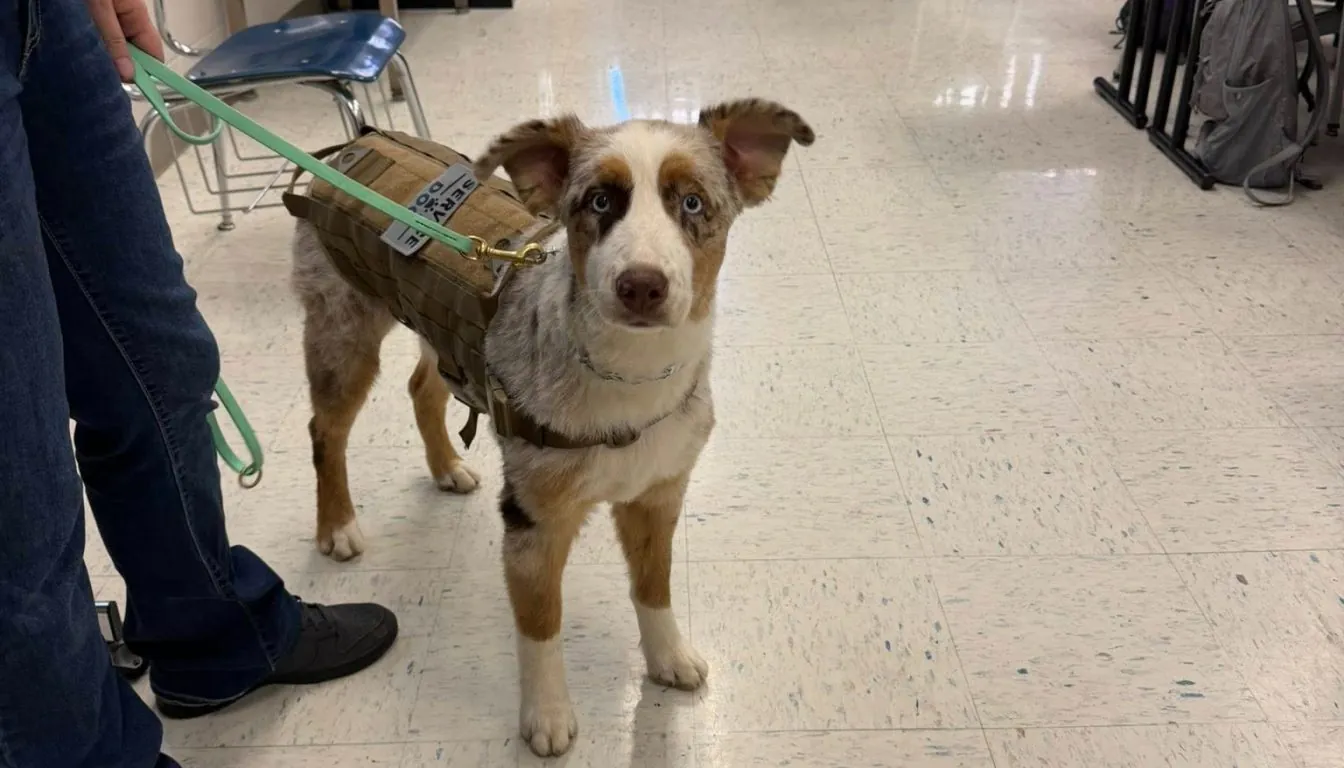
Plan support for a nervous dog through observation, suitable settings, voluntary participation and individual professional guidance.

Understand how to plan distraction training through specific goals, manageable practice, reward timing, care needs and owner coaching.

Understand a structured board-and-train plan through individual goals, humane methods, daily care, progress review and owner practice.

Choose specific waiting and stationing exercises with clear cues, suitable rewards and management that protects everyday care and safety.
Give us a call and we'll walk you through availability, pricing and what to bring. We're happy to answer every question — first-time boarders especially.
Monday – Friday: 7:00 AM – 6:00 PM · Sat & Sun hours available